The benefits of milk
What Should You Eat When Trying to Conceive? What should you avoid eating? Nutrition Guide For Those Planning to Have a Baby
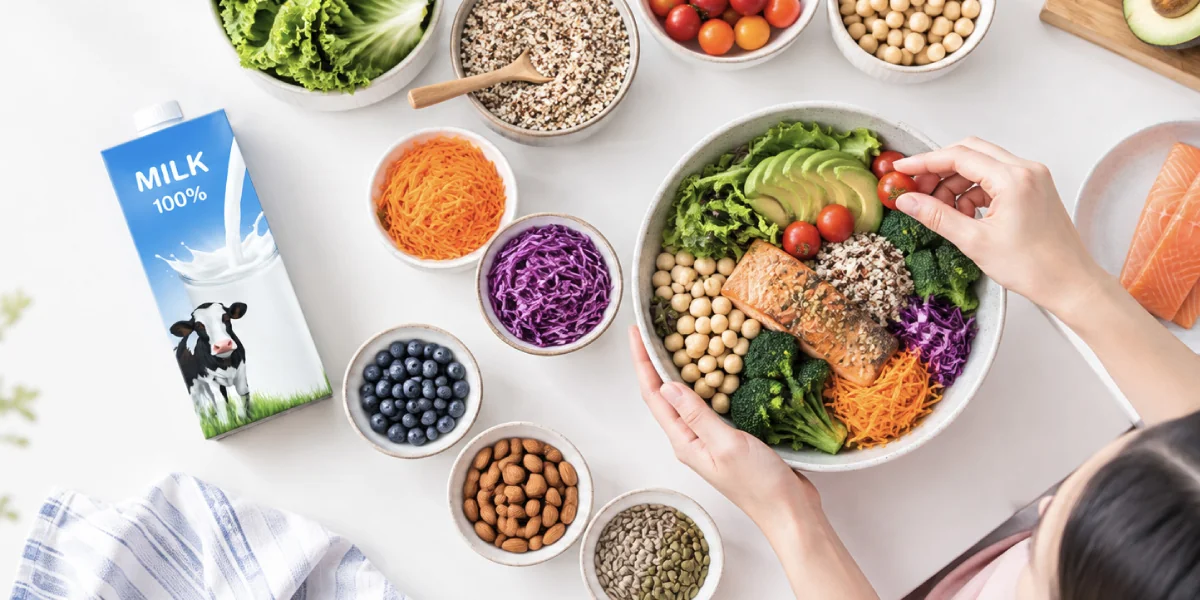
What Should You Eat When Preparing for Pregnancy? – Women planning to conceive do not need to seek out “egg-nourishing foods” or take multiple supplements. Instead, they should start by eating a varied diet that includes all five food groups and provides sufficient nutrients to meet the body’s needs. An important step to take before conception is to consume 400 micrograms of folic acid daily for at least one month prior to conception. Alcohol consumption should be reduced once you begin planning to have a child [1] Current scientific evidence cannot definitively confirm that any single food or nutrient clearly increases the chances of conceiving naturally. [2] Additionally, women preparing to conceive should consult a doctor or pharmacist to review any medications, vitamins, herbal remedies, and supplements they are currently taking to assess their suitability and safety before pregnancy. [3]
What should I eat when preparing to get pregnant?
Women planning to become pregnant should start by eating a varied, balanced diet that adequately meets their body’s nutritional needs to ensure they are nutritionally prepared before conception. There is no need to choose special diets or supplements advertised to “nourish eggs,” as there is currently insufficient scientific evidence that a vegetarian diet , low-fat diets, or supplements containing antioxidants and herbs can clearly increase the chances of natural conception in women without ovulation disorders [2]. Therefore, women planning to conceive should prioritize making healthy food choices in their daily lives to ensure their bodies receive sufficient energy, protein, vitamins, and essential minerals. They can choose foods from the following six food groups:
6 Food Groups to Eat to Prepare for Pregnancy
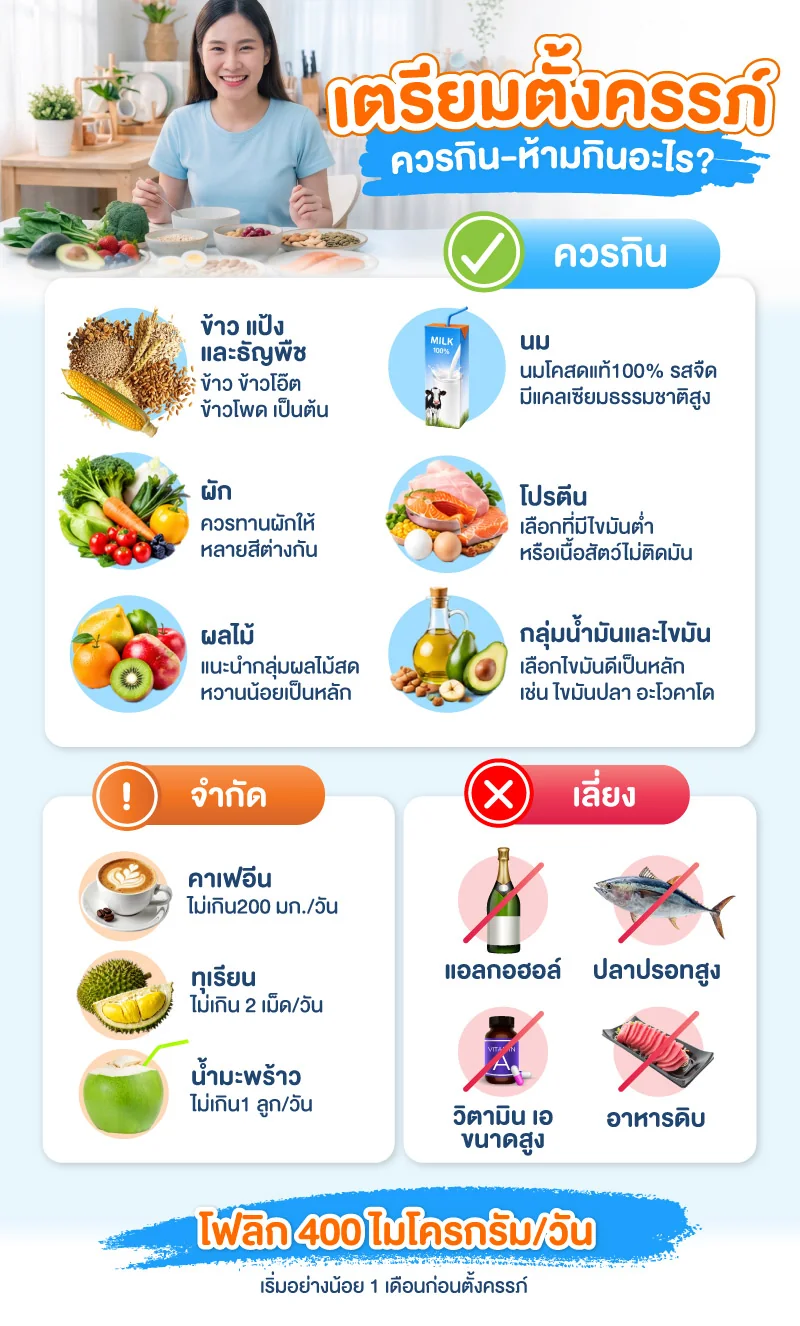
- Rice, Starches, and Grains: Choose rice, corn, barley, whole-wheat bread, brown rice, and oats [4]
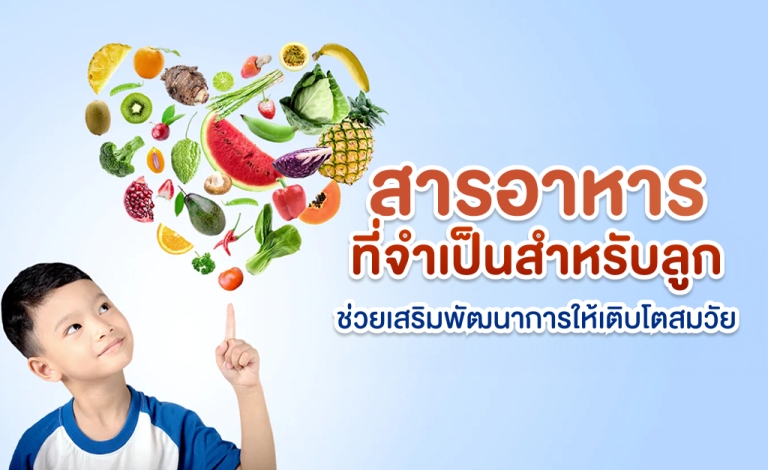
- Vegetables You should eat a variety of vegetables in different colors, including:
- Dark green vegetables, such as spinach, broccoli, and kale
- Red and orange vegetables, such as tomatoes, carrots, and pumpkin [4]
- Dried legumes, such as red beans, black beans, and mung beans [4]
- Starchy vegetables, such as potatoes and corn [4]
- Fruits can be consumed in various forms, including fresh, frozen, dried, canned, or as 100% fruit juice. [4] Dietitians recommend focusing primarily on fresh, low-sugar fruits because they are low in sugar and high in dietary fiber, such as guava, dragon fruit, pomelo, apples, and pears.
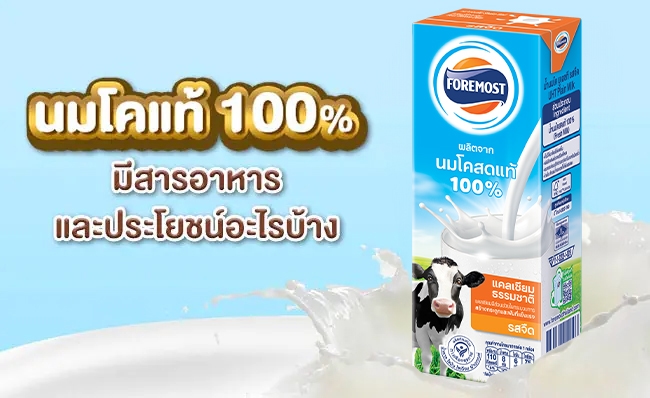
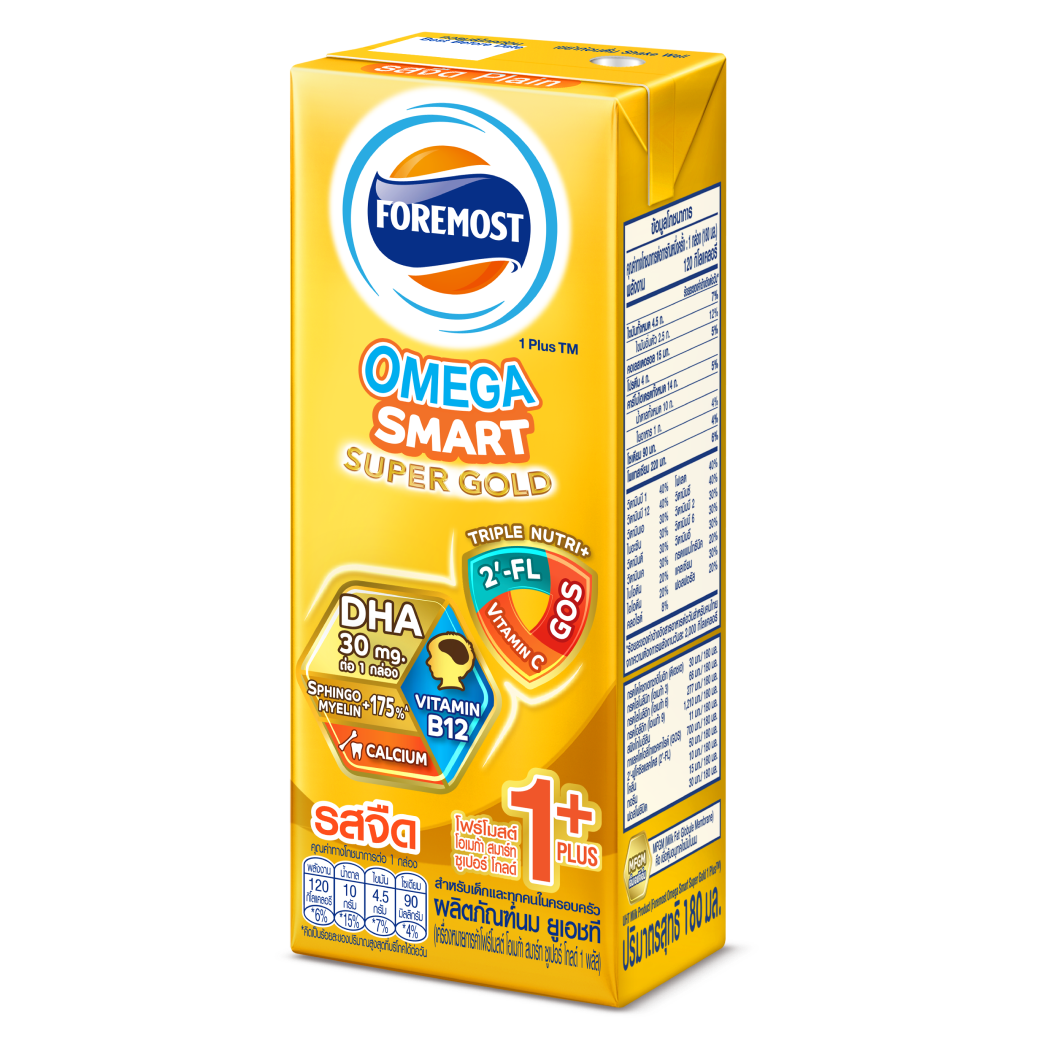
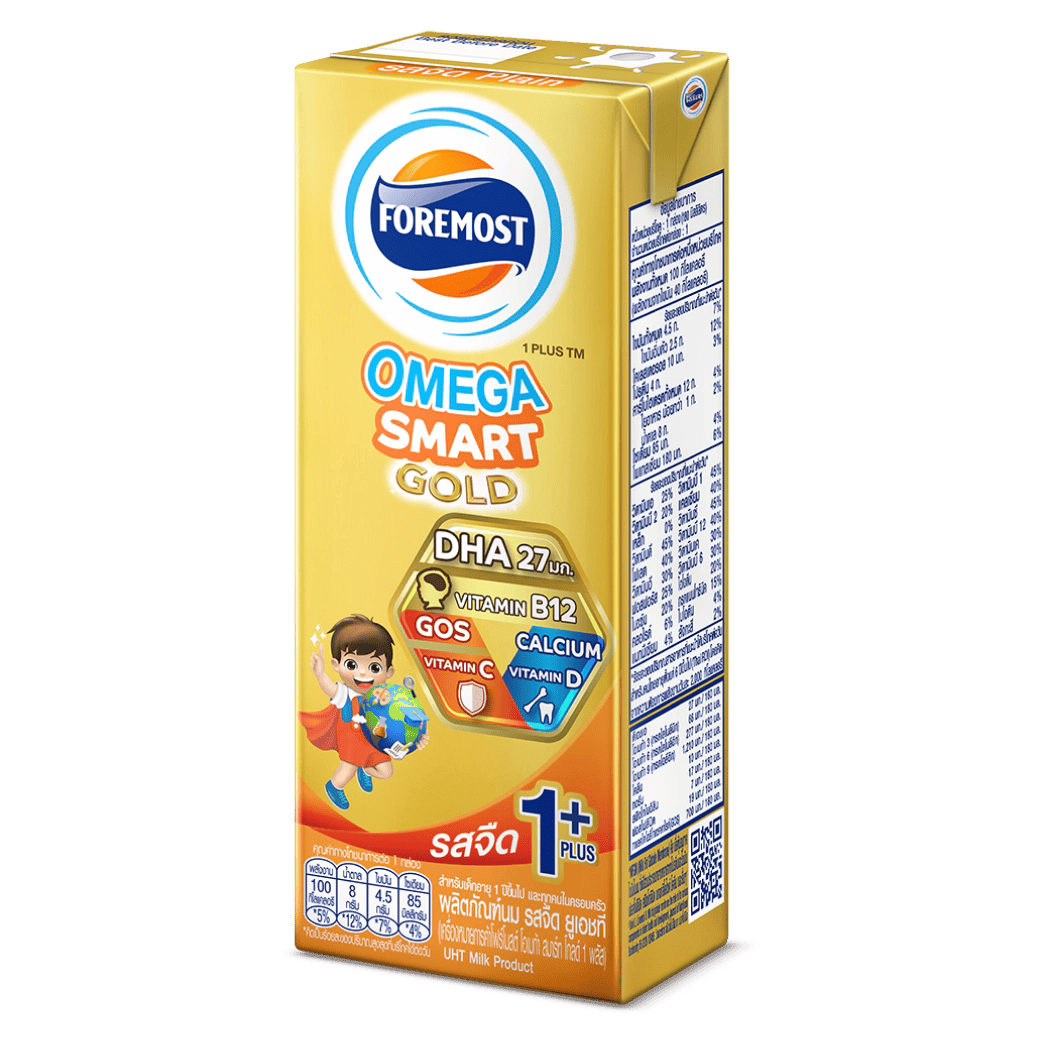
- Milk and dairy products: Choose 100% whole cow’s milk or dairy products, which are natural food sources high in naturally occurring calcium that is easily absorbed. You should aim for 800 milligrams of calcium per day [14]. If you are overweight, it is recommended to choose 100% whole cow’s milk or dairy products that are skimmed or low-fat. [4] It is recommended to read the label to check the calcium content in the milk before purchasing, as calcium levels vary by carton.
- Protein: Choose low-fat or lean protein sources, such as lean meat and skinless poultry, fish, nuts, seeds, green beans, and various types of dried beans [4]. Prepare these foods by boiling, baking, steaming, or grilling instead of frying to help reduce unnecessary calories and fat.
- Oils and Fats: Focus on healthy fats, such as oils from nuts, fish oil, olives and olive oil, and avocados. Consume them in moderation. [4]
What kind of fish should women who are planning to get pregnant eat, and how much should they eat?
Women planning to become pregnant should choose to eat low-mercury fish 2–3 times a week, totaling approximately 225–340 grams per week. The FDA/EPA recommends choosing catfish, salmon, anchovies, sardines, trout, tilapia, and other similar fish. This is because fish are a source of protein, omega-3 fatty acids—particularly DHA and EPA—as well as vitamin D, iron, iodine, zinc, and choline, which are nutrients essential for the mother’s health and the growth of the fetus [5] Therefore, women planning to become pregnant should follow these recommendations when eating fish and combine it with a variety of other foods. When preparing fish, opt for steamed, baked, or grilled options instead of fried fish.
Should women planning to get pregnant watch their weight?
Women planning to become pregnant should maintain a healthy weight, as being overweight or underweight increases the risk of health problems during pregnancy. Overweight women planning to become pregnant are at risk of developing gestational diabetes, high blood pressure, and preterm birth. Meanwhile, underweight women planning to become pregnant are at risk of having a low birth weight baby [3] Therefore, if you are planning to become pregnant, it is recommended that you choose healthy foods, reduce your intake of sugar, fat, and salt, and exercise regularly to lose weight or maintain a healthy weight.
How much folic acid should I take when trying to conceive?
Women planning to become pregnant should take 400 micrograms of folic acid daily, starting at least one month before conception and continuing through the first trimester of pregnancy, to help reduce the risk of neural tube defects in the fetus, which affect the development of the fetus’s brain and spinal cord [1]. In addition, women planning to become pregnant should choose foods that are naturally rich in folate, such as leafy green vegetables dried legumes, and fruits such as oranges, to ensure the body receives folate along with other essential vitamins and minerals. However, consuming foods naturally rich in folate cannot replace the recommended folic acid supplementation. If a woman has an underlying medical condition or is taking certain medications, she should consult a doctor before starting folic acid supplementation to determine the appropriate dosage for her individual needs [6]
What should you avoid eating while preparing for pregnancy?
Women planning to become pregnant should avoid certain foods and beverages that may increase health risks for both the mother and the unborn baby, particularly alcoholic beverages, fish with high mercury levels, vitamin A supplements in the form of retinol taken in high doses, and foods at risk of bacterial contamination. Details are as follows:
1. Alcoholic beverages
Women planning to become pregnant should avoid alcohol starting in the preconception period, as they may already be pregnant without realizing it. Avoiding alcohol before conception helps minimize the risks associated with alcohol exposure during the early stages of fetal development [1]
2. Fish with high mercury levels
Women planning to become pregnant should avoid fish with high mercury levels, such as shark, swordfish, marlin, king mackerel, orange roughy, tilefish from the Gulf of Mexico, and bigeye tuna, as mercury may affect the development of the fetus’s nervous system [5]
3. High-dose retinol-based vitamin A supplements
Women planning to become pregnant should be cautious about consuming high doses of preformed vitamin A, such as retinol, especially from vitamins and dietary supplements, because excessive intake of this form of vitamin A during pregnancy may increase the risk of birth defects in the baby. Parents planning to have children should therefore check the ingredients and vitamin A content on the label before taking any supplements. If in doubt, they should consult a doctor or pharmacist [7]
4. Raw or undercooked food
Women planning to become pregnant should avoid foods that are at risk of being contaminated with pathogens, as well as raw or undercooked foods such as laab goi, raw soy sauce, raw eggs, or raw fermented seafood. This is because raw or undercooked foods may increase the risk of gastrointestinal infections. You should choose dishes that are thoroughly cooked and always drink milk or dairy products that have been pasteurized [8]
If I'm trying to get pregnant, is it okay to drink coffee, green tea, or matcha?
Women planning to become pregnant can drink coffee, green tea, or matcha, provided their caffeine intake does not exceed 200 milligrams per day [9] —the same guideline applies to pregnant women [9]. Caffeine intake should not exceed 500 milligrams per day, as higher amounts may be associated with a reduced chance of natural conception [2] It is recommended to monitor caffeine intake appropriately by accounting for caffeine in coffee, green tea, matcha, chocolate, and other caffeinated beverages. Reading labels each time to check caffeine content will help women planning to conceive limit their total daily caffeine intake appropriately.
Table showing caffeine content in common foods and beverages [10]
| Food/Beverages | Serving size | Caffeine per serving (milligrams) |
|---|---|---|
| Drip coffee (filtered coffee) | 200 mL | 90 |
| Instant coffee | 200 mL | 90 |
| Espresso | 60 mL. | 80 |
| Decaf coffee | 200 mL | 4 |
| Black tea | 250 mL. | 55 |
| Green tea | 250 mL. | 38 |
| Chadee Cafe | 250 mL. | 8 |
| Cola | 355 ml. | 37 |
| Energy drinks | 250 mL. | 80 |
| Chocolate milk made from cocoa powder | 200 mL | 34 |
| Dark Chocolate | 14 grams (2 pieces) | 7 |
| Milk chocolate | 14 grams (2 pieces) | 2 |
Is it necessary to take collagen and glutathione before getting pregnant?
Women planning to conceive do not need to take collagen or glutathione supplements to nourish their eggs or increase their chances of getting pregnant, as there is currently insufficient scientific evidence that these two types of supplements can help increase the chances of natural conception. The ASRM states that there is still limited evidence regarding the benefits of antioxidants and certain supplements in improving fertility in women without ovulation disorders. [2] If you are planning to have a child, it is recommended to start by eating a varied diet that provides sufficient nutrients to meet your body’s needs, rather than relying on supplements to nourish your eggs. Women preparing for pregnancy who are currently taking collagen or glutathione supplements should check the ingredients on the label and consult a doctor or pharmacist before continuing to use them while planning to conceive. [3]
If I'm trying to get pregnant, is it okay to eat durian or drink coconut water?
If you are trying to conceive, you can eat durian and drink coconut water in moderation. Currently, there is insufficient scientific evidence to suggest that eating durian or drinking coconut water in normal amounts increases the chances of conception or causes infertility. [2] As for durian, women planning to conceive should consume no more than two medium-sized fruits per day [11]. As for coconut water, choose unsweetened coconut water in amounts not exceeding one coconut, or approximately 200–300 milliliters per day [12].
Piyada Ajapajarn
Registered Dietitian
(Registered Dietitian; RD)
Piyada Ajapajarn
Registered Dietitian
(Registered Dietitian; RD)
Piyada Ajapajarn
Registered Dietitian
(Registered Dietitian; RD)
reference
- Centers for Disease Control and Prevention. Planning for Pregnancy [Internet]. Atlanta (GA): CDC; 2026 [cited Oct. 7, 2026]. Available from: https://www.cdc.gov/
pregnancy/ about/ index.html - Practice Committee of the American Society for Reproductive Medicine. Optimizing natural fertility: a committee opinion. Fertil Steril. 2022;117(1):53-63. Available from: https://www.asrm.org/
practice-guidance/ practice-committee-documents/ optimizing-natural-fertility-a-committee-opinion-2021/ - American College of Obstetricians and Gynecologists. Preconception Counseling. Committee Opinion No. 762 [Internet]. Washington, D.C.: ACOG; 2019 [cited Oct. 7, 2026]. Available from: https://www.acog.org/
clinical/ clinical-guidance/ committee-opinion/ articles/ 2019/ 01/ prepregnancy counseling - Stanford Medicine Children’s Health. Nutrition before pregnancy [Internet]. Stanford (CA): Stanford Medicine Children’s Health; [cited Oct. 7, 2026]. Available from: https://www.stanfordchildrens.org/
en/ topic/ default? id= nutrition-before-pregnancy-90-P02479 - U.S. Food and Drug Administration. Questions & Answers from the FDA/EPA: Advice on Eating Fish for Women Who May Become or Are Pregnant or Breastfeeding and Children Ages 1 to 11 Years [Internet]. Silver Spring (MD): FDA [cited Oct. 7, 2026]. Available from: https://www.fda.gov/
food/ consumers/ questions-and-answers-from-the-FDA-on-advice-regarding-the-consumption-of-fish-by-women-who-may-become-or-are-pregnant-or - Centers for Disease Control and Prevention (CDC). About folic acid [Internet]. Atlanta (GA): CDC; September 18, 2026 [cited October 8, 2026]. Available from: https://www.cdc.gov/
folic acid/ about/ index.html - National Institutes of Health, Office of Dietary Supplements. Dietary Supplements and Life Stages: Pregnancy—Health Professional Fact Sheet [Internet]. Bethesda (MD): NIH [cited Oct. 7, 2026]. Available from: https://ods.od.nih.gov/
factsheets/ Pregnancy-HealthProfessional/ - Centers for Disease Control and Prevention. Safer Food Choices for Pregnant Women [Internet]. Atlanta (GA): CDC; Jan. 31, 2025 [cited Oct. 7, 2026]. Available from: https://www.cdc.gov/
food-safety/ foods/ pregnant-women.html - American College of Obstetricians and Gynecologists. Moderate Caffeine Consumption During Pregnancy. Committee Opinion No. 462 [Internet]. Washington, D.C.: ACOG; 2010 [cited Oct. 7, 2026]. Available from: https://www.acog.org/
clinical/ clinical-guidance/ committee-opinion/ articles/ 2010/ 08/ moderate caffeine consumption during pregnancy - European Food Information Council (EUFIC). Caffeine levels in different foods and beverages [Internet]. Brussels: EUFIC; July 31, 2024 [cited Oct. 8, 2026]. Available from: https://www.eufic.org/
en/ ? ACT= 115& path= global%2F pdf%2F caffeine-levels-in-different-foods-and-drinks& size= Letter& orientation= portrait& key= & attachment= 1& compress= 1& filename= caffeine-levels-in-different-foods-and-drinks.pdf& default_font= - Department of Public Health. Department of Public Health states that durians are high in calories and emphasizes that people should eat no more than two durians per day [Online]. Nonthaburi: Department of Public Health; May 2564 [Accessed Oct. 8, 2569]. Available from: https://multimedia.anamai.moph.go.th/
news/ 130564/ - Department of Medical Sciences. Department of Medical Sciences Reports That Coconut Water Has High Nutritional Value [Online]. Nonthaburi: Department of Medical Sciences; April 4, 2564 [Accessed Oct. 15, 2569]. Available from: https://www.dmsc.moph.go.th/
th/ detailAll/ 1698/ nw/ 25 - Centers for Disease Control and Prevention (CDC). Folic acid: sources and recommended intake [Internet]. Atlanta (GA): CDC; July 15, 2026 [cited Oct. 8, 2026]. Available from: https://www.cdc.gov/
folic acid/ about/ intake-and-sources.html - Nutrition Division, Department of Public Health, Ministry of Public Health. Recommended Daily Intake of Nutrients for Thais, B.E. 2563 [Online]. Bangkok: A.V. Progressive Co., Ltd.; 2563 [Accessed Oct. 15, 2569]. Available at: https://nutrition2.anamai.moph.go.th/
web-upload/ 6x22caac0452648c8dd1f534819ba2f16c/ 202101/ m_news/ 9457/ 176096/ file_download/ a72848fb8557732574f6afd877a0a0a3.pdf
Frequently Asked Questions
Foremost milk tasteless
Made from 100% fresh cow's milk