






Child development
Is it true that switching formulas after age 1 can cause constipation? What Moms Should Know Before Worrying
What symptoms actually constitute "constipation"?
- Hard, lumpy stool
- Does it hurt or make you cry after the shot?
- It has to be abnormally stiff
- Drinking less than usual, along with feeling unwell
- Frequent bloating or stomach pain
When their child turns 1 year old, many families begin switching from infant formula to nutrient-enriched milk for toddlers, following nutritional guidelines. But shortly after making the switch, the child may start having difficulty passing stool, experiencing hard stools, or going longer between bowel movements, leading many mothers to wonder…
Is it because the milk is fresh?
Is that true? Can changing formula cause constipation?
“It’s possible,” but not for everyone. Dietary changes—especially starting formula or switching formulas—may affect the digestive system and bowel habits initially, as the body adjusts to the new food source [1,2,4]
So, if your child used to have soft stools every day but, after switching formulas, their stools have become firmer or the frequency has decreased slightly, this may be a temporary change that is common.
Less bowel movements = constipation?
“Not always!” What matters most is “stool consistency” and “your child’s comfort,” rather than the number of bowel movements [2,3,4]
Tips to Help Your Child Have an Easier Bowel Movement
- Drink enough water.
- Include age-appropriate fruits and vegetables
- Promote physical activity and play
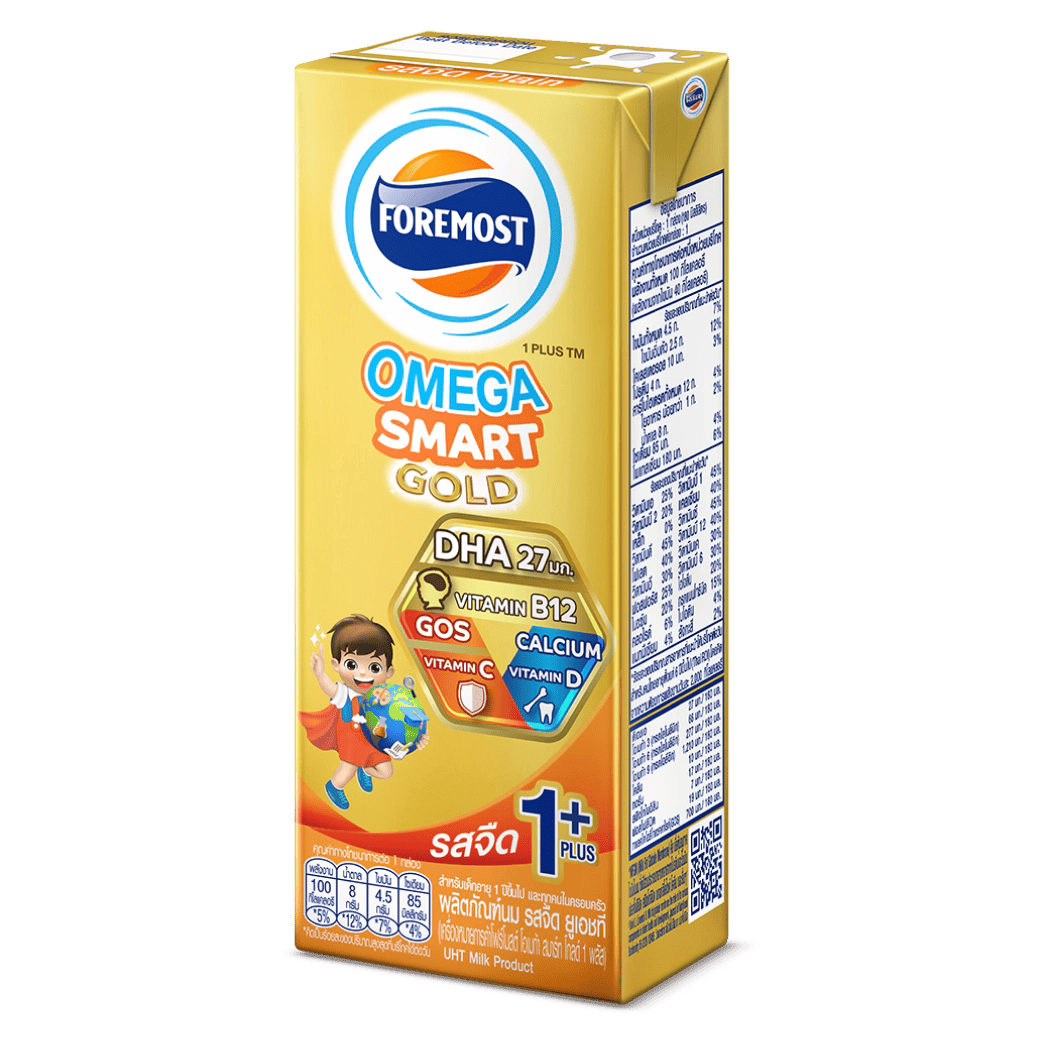
- Choose products with added ingredients, such as boxed milk fortified with prebiotics like GOS Bio-active, which is a prebiotic—a special type of dietary fiber that serves as food for beneficial gut bacteria. It helps promote a healthy balance in the digestive system and supports the growth of beneficial gut bacteria. Several studies have also indicated that it can help soften stools [4,5,6]
If I just switched formulas, should I switch back right away?
The answer is: not yet. That’s because every time you switch formulas, your child’s body may need several days to several weeks to adjust, depending on the individual child. If the symptoms aren’t severe and your child is still feeding well without signs of severe stomach pain or bloating, you can try monitoring the symptoms while increasing their water intake and ensuring they get enough fiber in their diet first [3] However, if symptoms persist for several weeks or are accompanied by other symptoms, you should consult a pediatrician to assess whether the formula is appropriate or to consider other health factors [4,5]
Dr. Panthakant
Weerwetsakul
Pediatrics
Dr. Panthakant
Weerwetsakul
Pediatrics
Written by:
Dr. Panthakant
Weerwetsakul
Pediatrics
reference
- Maselli, K. M., Shah, N. R., & Speck, K. E. (2024). Approach to Constipation in Children: Recommendations for Evaluation and Management. Advances in Pediatrics, 71(1), 195–211. DOI: 10.1016/j.yapd.2024.04.001
- Gibson, G. R., Hutkins, R., Sanders, M. E., Prescott, S. L., Reimer, R. A., Salminen, S. J., Stanton, C., Swanson, K. S., Cani, P. D., Verbeke, K., & Reid, G. (2017). The International Scientific Association for Probiotics and Prebiotics (ISAPP) consensus statement on the definition and scope of prebiotics. Nature Reviews Gastroenterology & Hepatology, 14(8), 491-502.
- Scholtens, P. A. M. J., Oozeer, R., Martin, R., Amor, K. B., & Knol, J. (2012). The early settlers: Intestinal microbiology in early life. Annual Review of Food Science and Technology, 3, 425–447.
- Rajindrajith, S., Devanarayana, N. M., & Benninga, M. A. (2022). Childhood constipation: Current status, challenges, and future perspectives. World Journal of Clinical Pediatrics, 11(5), 385–404. https://doi.org/
10.5409/ wjcp.v11.i5.385 - Vandenplas, Y., De Greef, E., & Veereman, G. (2015). Prebiotics in infant formula. Gut Microbes, 5(6), 681–687.
- Giovannini M, Verduci E, Gregori D, Ballali S, Soldi S, Ghisleni D, Riva E; PLAGOS Trial Study Group. Prebiotic effect of an infant formula supplemented with galacto-oligosaccharides: a randomized multicenter trial. J Am Coll Nutr 2014;33(5):385–93. https://doi.org/
10.1080/ 07315724.2013.878232