





Calcium, the little architect... for strong bones.

"Calcium," the tiny architect... strengthens bones.

It's undeniable that bones are an essential organ for building strength in the body. The bone-building cycle begins in childhood, relying heavily on calcium as a primary component. Therefore, it's not surprising that calcium can be likened to a miniature architect, strengthening everyone's bones.

The importance of calcium in bone formation from childhood.

Bone formation process

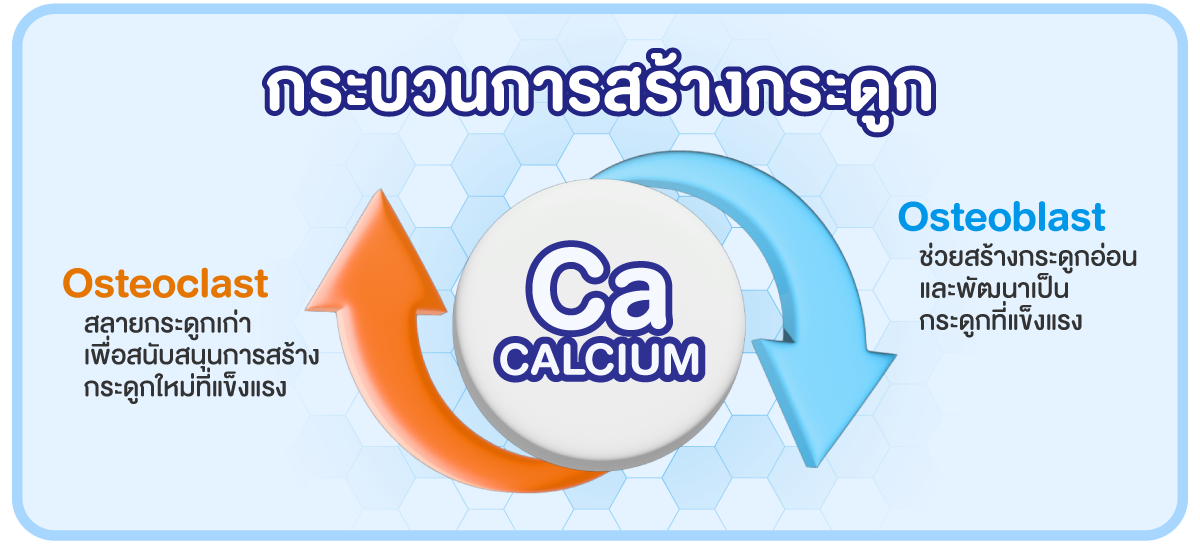
The bone formation cycle involves two main cell types: osteoclasts, which break down old bone to support the formation of new, strong bone, a part of bone remodeling; and osteoblasts, key cells in "cartilage formation" that gradually develop into strong bone.

In the bone-building process, osteoblast cells need sufficient minerals, especially calcium and phosphorus, to help build and repair strong bones. Many people may not know that our bodies use 99% of calcium to build bones and teeth, helping to increase bone density and reduce the risk of osteoporosis in later life. The remaining 1% is found in the bloodstream, stimulating the function of various organs and enzymes.

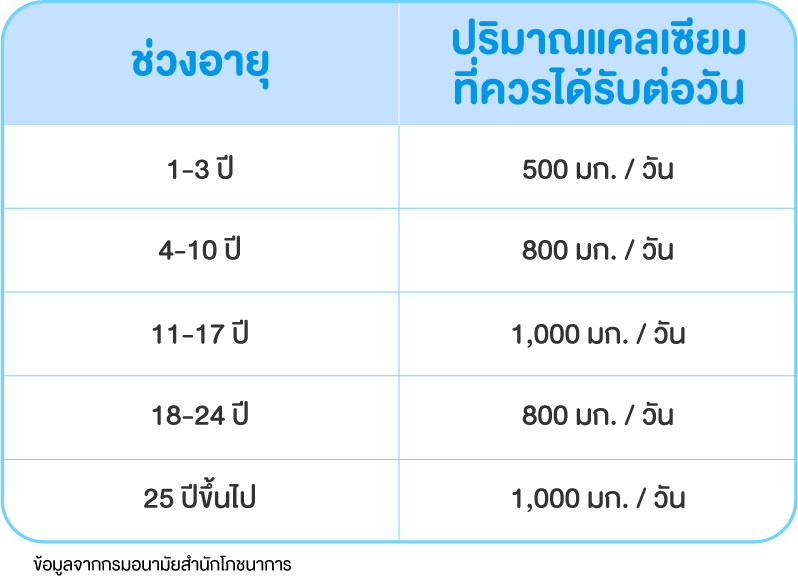
Therefore, calcium can be likened to tiny architects who gradually assemble it so that cells can utilize it and it plays a part in bone development throughout a person's life. Conversely, if you consistently receive insufficient calcium over a long period, the body will continuously draw this nutrient from the bones. Eventually, the bones will become brittle, weak, and easily fractured. The question is, how much calcium should people of different ages receive?

Bone formation process

Getting enough calcium into your body is easy; start by drinking milk.

It is clear that calcium is the number one key ingredient for building strong bones, reducing the risk of osteoporosis, and preventing fractures from environmental impacts. Therefore, both children and adults should receive sufficient amounts of this nutrient daily. When it comes to foods high in calcium, "100% pure cow's milk" is a top choice that everyone knows.

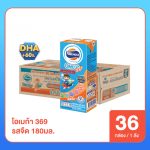
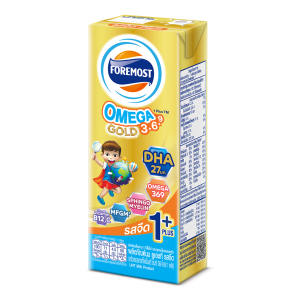
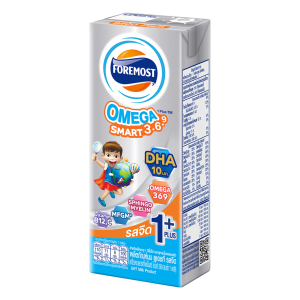
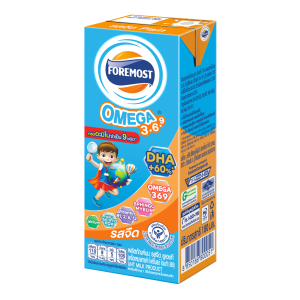
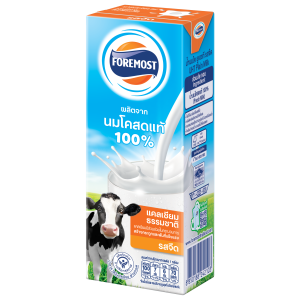
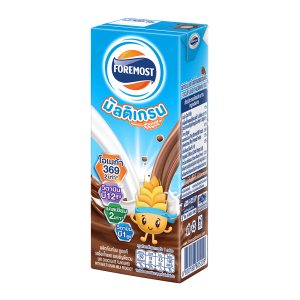
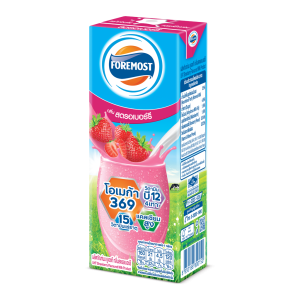
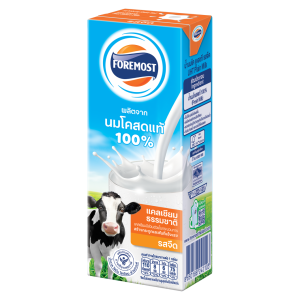
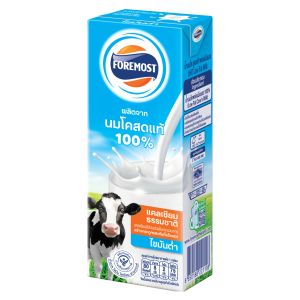
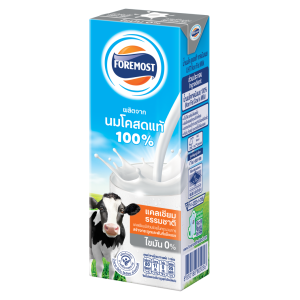
“Foremost Milk” is a quality milk that meets the highest standards of cow farming and production in the Netherlands. It is free from antibiotic and other contaminants, having undergone over 100 tests. It is packed with calcium, providing up to 35% of the recommended daily intake*.

Furthermore, it contains other essential natural nutrients such as phosphorus, iodine, vitamin B12, and B2. It comes in three formulas: unflavored, unflavored low-fat, and unflavored 0% fat. Drink with confidence, regardless of gender or age.

*According to the percentage of Thai Recommended Daily Intakes (Thai RDI) calculated
from 2,000 kilocalories daily energy requirement for children aged 6 and above

reference

1. Paul Rowe, Adam Koller, Sandeep Sharma. “Physiology, Bone Remodeling” (2023): Website https://www.ncbi.nlm.nih.gov/books/NBK499863/

2. James P. Henry, Bruno Bordoni. “Histology, Osteoblasts” (2023): Website https://www.ncbi.nlm.nih.gov/books/NBK557792/

3. Roberto Grujičić, MD. “Bone matrix” (2023): Website https://www.kenhub.com/en/library/anatomy/bone-matrix

4. Sorasak Supphaphol et al. “Textbook of Orthopedic Trauma, Chapter 1: Bone Biology and Healing” (2019): https://www.rama.mahidol.ac.th/ortho/sites/default/files/public/education/textbook/pdf/OrthopaedicTrauma2019/01%20OrthoTrauma%20P01-13.pdf

5. Committee and Working Group on Revising Daily Nutrient Requirements for Thai People, “Daily Nutrient Reference Intake Table for Thai People, 2020” (2020): Website https://nutrition2.anamai.moph.go.th/th/book/194515

6. Dr. Wanaporn Thongchom, Health Educator (Professional Dietitian), Faculty of Medicine, Ramathibodi Hospital, Mahidol University. “How to Consume Calcium Effectively?” (2024): Website https://www.rama.mahidol.ac.th/ramachannel/infographic/รับประทานแคลเซียมอย่าง/

View more product details

Share