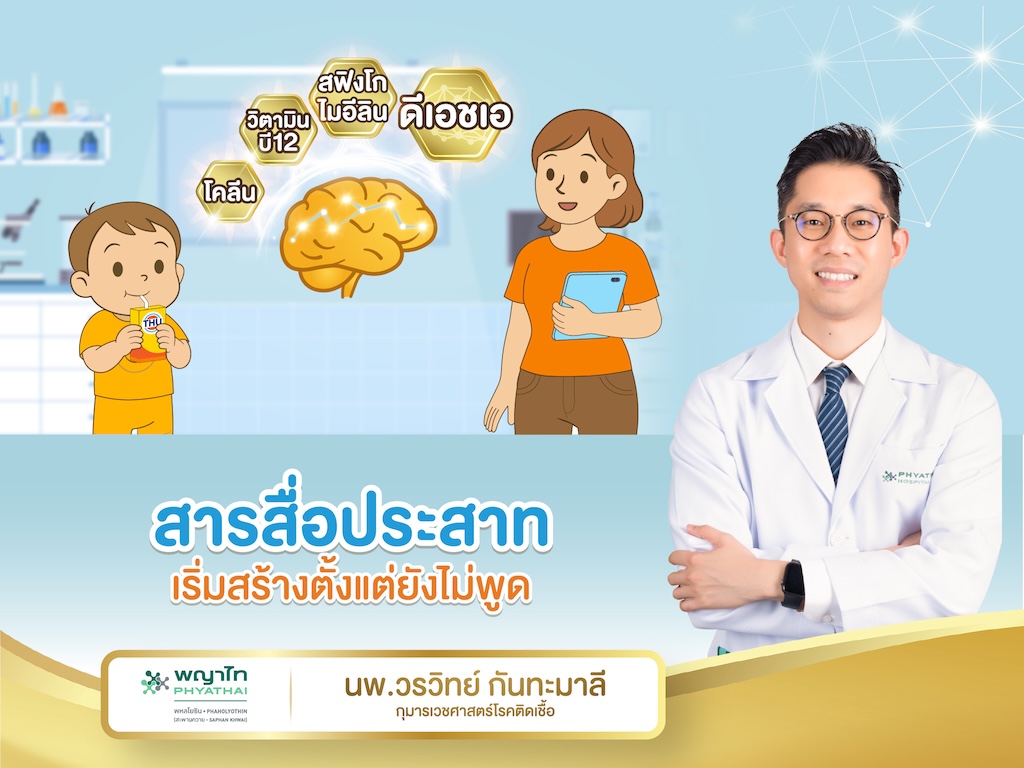
Neurotransmitters in the brain begin to be produced even before one speaks.
When does a baby's brain start developing?
Doctor: Your baby's brain is working hard from the very first day they open their eyes. Even though they can't speak yet, inside they are constantly sending messages through what are called neurotransmitters. [1]
Mother: And what exactly are neurotransmitters?
Doctor: Imagine your child's brain as a big city, and in this city there are millions of brain cells as houses. But these houses need telephone lines to communicate with each other. These telephone lines are "neurotransmitters" that send signals to tell your child to… feel, remember, concentrate, control emotions and communicate. [2]
Young children produce neurotransmitters very quickly.
Doctor: During the ages of 1–3, your child's brain is continuously producing these substances, such as…
- Serotonin: Helps keep your baby in a good mood and not irritable [3]
- Dopamine: Promotes concentration and makes learning fun. [4]
Mother: And where do these substances come from?
Doctor: Your child's body needs good food to produce these substances, such as:
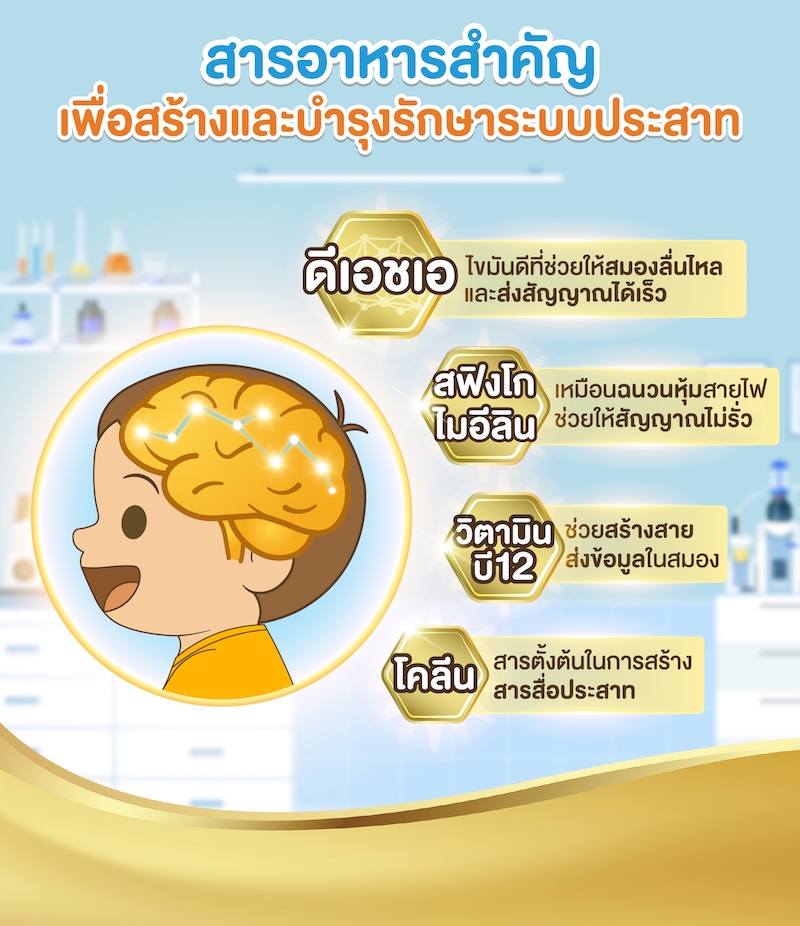
- DHA: A good fat that helps the brain work smoothly and send signals quickly [5].
- Sphingomyelin: Like an insulator on a wire, it helps prevent signal leakage. [6]
- Vitamin B12: Helps build signal lines in the brain [7]
- Choline: A precursor in the production of neurotransmitters [8]
These nutrients are essential for building and maintaining the nervous system. A deficiency in them is like a house with a telephone line but no connection; the brain transmits messages slowly.
The doctor would like to summarize:
Advice from the doctor:
- Supplement with foods containing DHA, sphingomyelin, vitamin B12, and choline.
- Play, talk, and read stories with your child often to stimulate their developing brain.
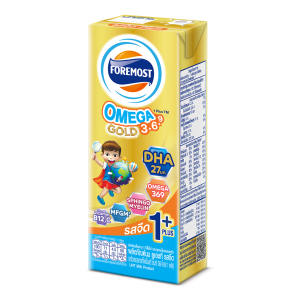
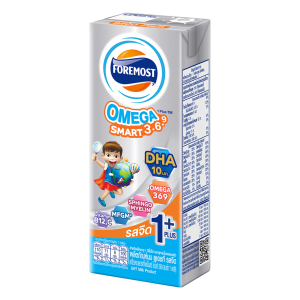
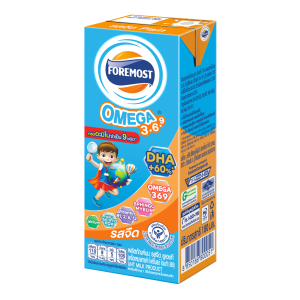
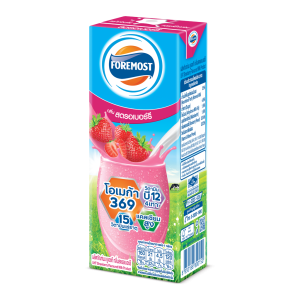
Mothers can choose to give their children UHT milk fortified with DHA, sphingomyelin, vitamin B12, and choline to help their children's brains communicate effectively and transmit learning signals smoothly and without interruption.
Dr. Worawit
Kanthamalee
Pediatric Infectious Diseases
Phyathai Phaholyothin Hospital
Dr. Worawit
Kanthamalee
Pediatric Infectious Diseases
Phyathai Phaholyothin Hospital
Written by:
Dr. Worawit
Kanthamalee
Pediatric Infectious Diseases
Phyathai Phaholyothin Hospital
References:
1. Center on the Developing Child at Harvard University. (nd). *InBrief: The science of early childhood development*. Retrieved August 26, 2025, from https://developingchild.harvard.edu/resources/inbrief-science-of-ecd/
2. Queensland Brain Institute, The University of Queensland. What are neurotransmitters?
3. Olivier, JD, Van der Hart, MG, Van der Zee, EA, & Koolhaas, JM (2011). The role of the 5-HT1A receptor in cognition: an animal perspective. *Journal of Neuroscience Research*, *89*(9), 1335-1348. https://doi.org/10.1002/jnr.22684
4. Blum, K., Chen, AL, Braverman, ER, Comings, DE, Chen, TJ, Arcuri, V., Blum, SH, Downs, BW, Waite, RL, Notaro, A., Lubar, J., White, L., & Sheridan, PJ (2008). Attention-deficit-hyperactivity disorder and reward deficiency syndrome. *Neuropsychiatric Disease and Treatment*, *4*(5), 893–918. https://doi.org/10.2147/ndt.s2627
5. Dyall, SC Long-chain omega-3 fatty acids and the brain: a review of the independent and shared effects of EPA, DPA and DHA. Frontiers in aging neuroscience (2015).
6. Valles, P.G., Ali, Z., & Farran, A. (2022). Impact of dietary sphingomyelin on the developing brain. *Frontiers in Nutrition*, *9*, 991193.
7. O'Leary, F., & Samman, S. Vitamin B12 in health and disease. Nutrients (2010).
8. Zeisel, SH, & da Costa, KA Choline: an essential nutrient for public health. Nutrition reviews (2009).