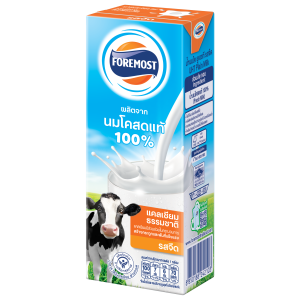
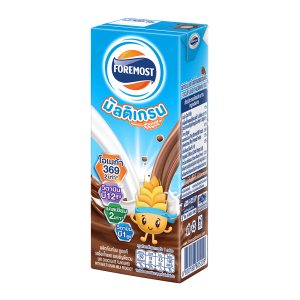
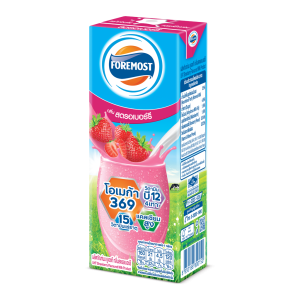
More than 5 brain-boosting nutrients to support intelligent and fast-learning children.
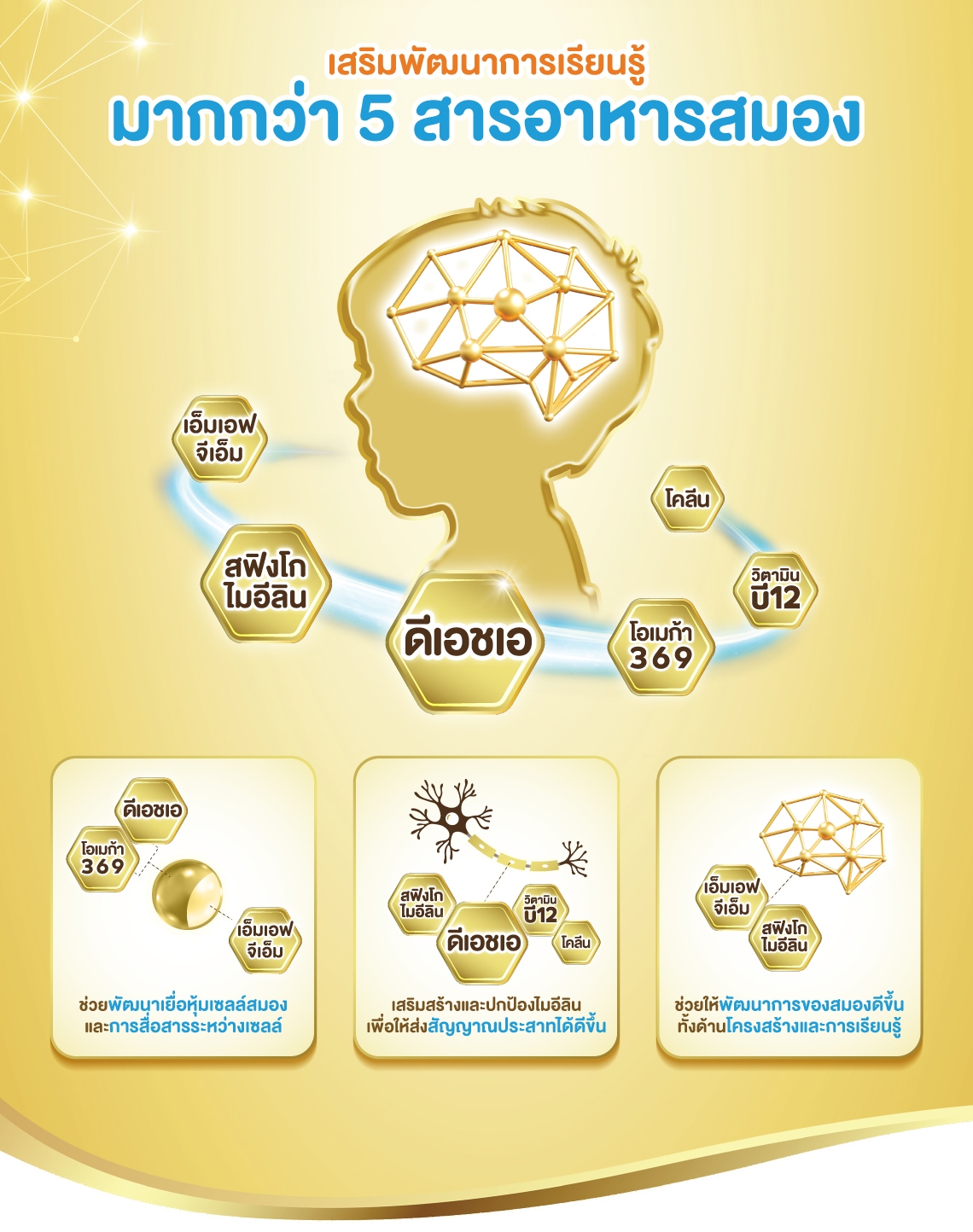
Brain development in children at each stage requires proper nutrition, which is crucial for their complete growth and development. This helps children develop intelligence (IQ), emotional intelligence (EQ), and executive function (EF) skills, enabling them to cope effectively with various situations around them. Important nutrients that play a key role in brain and nervous system development include DHA, sphingomyelin, Omega 3, 6, and 9, MFGM, vitamin B12, and choline.
Research supports this.
Research has shown that the golden opportunity to boost a child's brain development is the first 1,000 days of life. Research has found that 85% of a child's brain develops during the first four years of life, compared to an adult's brain, and the formation of neuronal connections is rapid at 1 million neurons per second [9][10]. Therefore, adequate intake of DHA, sphingomyelin, omega 3 6 9, MFGM, vitamin B12, and choline from the very beginning of childhood is crucial for brain and nervous system development to support a child's complete growth.
The functions and benefits of brain nutrients.
- DHA is important for the development and full functioning of the nervous system, brain, and vision [1].
- Omega 3 6 9 Omega-3 and omega-6 are essential nutrients for child development, including nervous system growth, brain development, and vision. The body cannot produce omega-3 on its own, and each omega has its own benefits.[4] The following are some examples:
- Omega-3 : Supports nervous system and brain development, promoting nerve cell growth and enhancing learning, memory, and problem-solving abilities, as well as behavioral development. Studies have shown that omega-3 supplementation has a positive effect on the development of ADHD (Attention Deficit Hyperactivity Disorder).
- Omega-6 : Crucial for brain development and impacts learning and behavior. It helps connect neural networks and plays a role in neurotransmitter production, enhancing cognitive processes and cognitive connections. This leads to improved brain function, affecting children's learning abilities and behavior, as well as their emotions and overall well-being.
- Omega-9 : This is an unsaturated fatty acid that the body can produce on its own and is found in many foods, such as olive oil, canola oil, and avocados. Although there is currently no clear research on the specific role of omega-9 in child development, consuming healthy fats, including omega-9, as part of a balanced diet may support overall growth and development in children.
- MFGM is important for brain development and the immune system in children.
MFGM (Milk Fat Globule Membrane) is a structure composed of various proteins and lipids. Therefore, adequate intake of MFGM in early childhood is important for the development of the child's brain and immune system [5]. The benefits of MFGM include promoting brain development and cognition, strengthening nerve fibers and connections between brain cells, leading to better brain development and improved nervous system function. This results in better development of the child's IQ, EQ, and EF levels. Research has shown that adequate intake of MFGM early in life is associated with better development in children by age 5.5 [6].
- Sphingomyelin plays a crucial role in the development of children's brains and nervous system.
Sphingomyelin plays an important role in the development of the brain and nervous system in children, being a major component of myelin sheaths that increases the speed of nerve signal transmission, supporting cognitive development, memory, and learning [7]. It also supports the nervous system, being a key component of nerve cell membranes that promote efficient brain function.
- Vitamin B12, or cobalamin, plays a role in the normal functioning of the nervous system and brain.
Vitamin B12 (Cobalamin) helps in DNA synthesis, cell division, and myelin sheath formation , which increases the speed of nerve signal transmission, positively impacting cognitive development, language skills , and communication. In addition, vitamin B12 contributes to the production of red blood cells and prevents anemia. Therefore, adequate intake of vitamin B12 is essential for the overall brain development of children [8].
- Choline is an important nutrient that helps support normal brain development, improve nervous system function and cognition in children [13].
In summary, the relationship between nutrients and brain development, nervous system function, and learning ability is as follows:
- DHA + Omega 3 + MFGM: Helps develop brain cell membranes and cell communication [11] [12]
- Sphingomyelin + B12 + DHA + Choline: Strengthens and protects myelin for better nerve signal transmission [11] [12] [13]
- MFGM + Sphingomyelin: Helps improve brain development in both structure and learning [11] [12]
It can be seen that all nutrients work together to develop and protect the brain, specifically in terms of neuronal cell structure, brain cell communication, and nerve signaling, which affects learning ability, concentration, and overall nervous system function.
Functional relationships and brain nutrients.
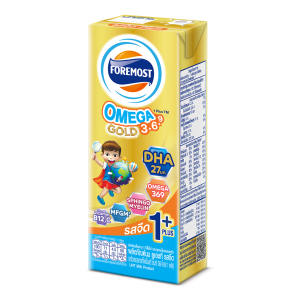
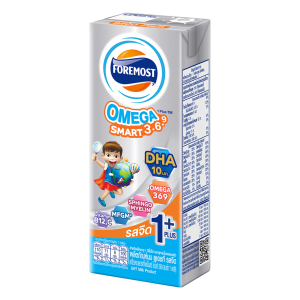
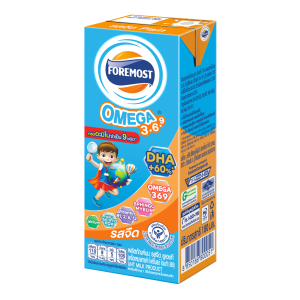
In summary, proper nutrition is crucial for brain development in children before the first four years of life. This is especially important for the complete growth and brain development of young children, particularly brain nutrients that play a vital role in brain and nervous system development. These include DHA, sphingomyelin, Omega 3, 6, and 9 , MFGM, Vitamin B12, and choline. Therefore, when parents choose fortified UHT milk for their children, they should consider milk with a diverse and sufficient amount of nutrients , and ensure their children also consume a balanced diet from all five food groups for healthy growth and development according to their age.
Written by:
Dr. Wannapa Puranawatnakul
Neonatologist and Perinatologist
Kasemrad International Hospital Rattanathibet
Frequently asked questions
- Provide a balanced meal + age-appropriate milk fortified with DHA, choline, iron, and zinc.
- Play, read stories, and talk every day in a safe and responsive environment.
- Engage in plenty of physical activity, get enough rest, and limit screen time.
- Regularly monitor and screen developmental milestones according to age.
Puranawattanakul
and the perinatal period.
Kasemrad Hospital
International Rattanathibet
Written by:
Dr. Wannapa
Puranawattanakul
Neonatologist and Perinatologist
Kasemrad International Hospital Rattanathibet
reference
1. Susan E Carlson, John Colombo. DHA and Cognitive Development. J Nutr.2021 Sep 29;151(11):3265-3266
2. Connye N Kuratko, Erin Cernkovich Barrett , et al. The relationship of Docosahexaenoic Acid with Learning and behavior in healthy children. Nutrients 2013 Jul 19;5(7):2777-2810
3. Global Recommendations for EPA and DHA intake (Rev 19 November 2014)
https://www.issfal.org/assets/globalrecommendationssummary19nov2014landscape_-3-.pdf
4. Sandra L Huffman, Rajwinder K Harika, et al. Essential fats : how do they affect growth and deveof infants and young children in developing countries? .Matern Child Nutr.2011.
5. Olle Hernell,Niklas Timby, et al. Clinical Benefits of Milk Fat Globule Membrane s for Infants and children. Journal of pediatrics.2016
6. John Colombo, Chery L.Harris MS, et al. Improved Neurodevelopmental Outcomes at 5.5 years of age in children who received bovine milk fat globule membrane and Lactoferrin in infant formular through 12 months. The Journal of Pediatrics,2023.
7. Nora Schneider, Jonas Hauser, et al .Sphingomyelin in Brain and Cognitive Development. eNeuro.2019
8. Sudha Venkatramanan, Llianna E Armata, et al.Vitamin B-12 and cognition in children. AAdv Nutr.2016
9. First Things First. (2025). Brain development: 90% of brain growth happens before kindergarten. https://www.firstthingsfirst.org/early-childhood-matters/brain-development/
10. Christina J. Valentine.Nutrition and the developing brain. Pediatric Research (2020) 87:190–191.
11. Chi Nguyen, Hsiang -Ting Lei, et al. Lipid flipping in the omega-3 fatty -acid transporter. Nature Communications (2023)14:2571
12. Sean CL Deoni, Jennifer Beauchemin, et al. Enhanced brain myelination and cognitive Development in young children associated with Milk Fat Globule Membrane (MFGM) intake. Nationale Institutes of Health. 2024
13. Derbyshire, Emma, and Rima Obeid. 2020. “Choline, Neurological Development, and Brain Function: A Systematic Review Focusing on the First 1000 Days.” Nutrients 12 (6): 1731.