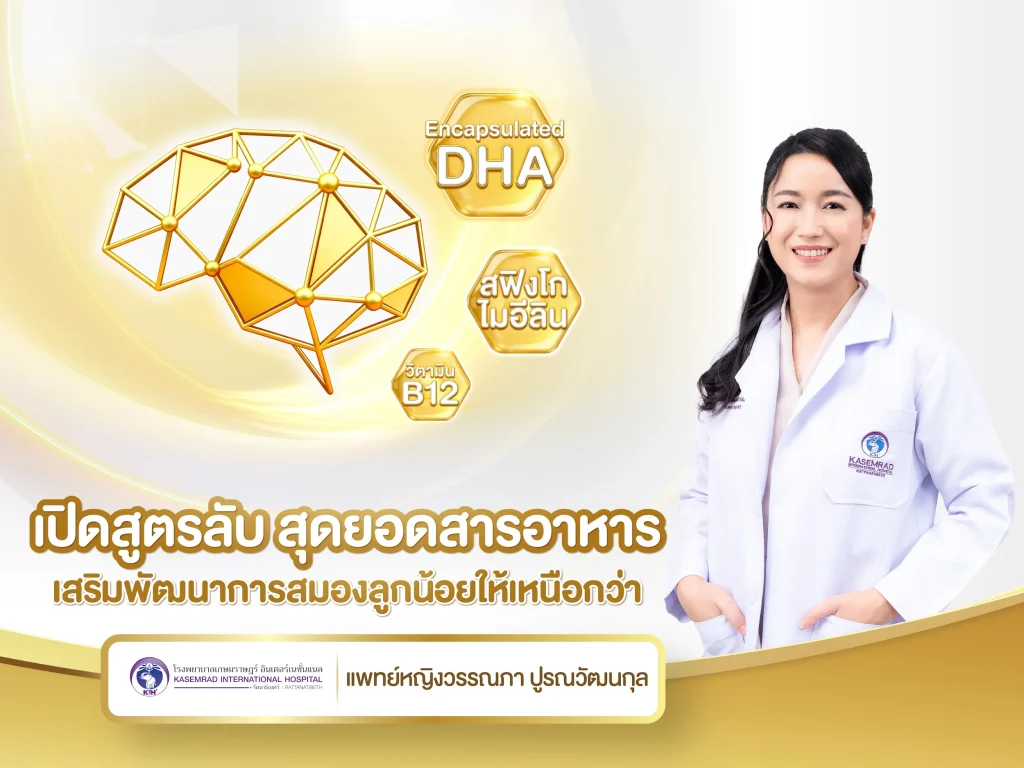
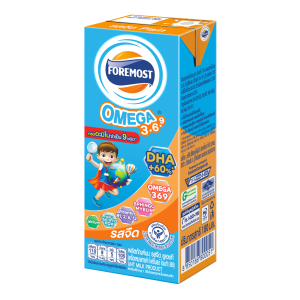
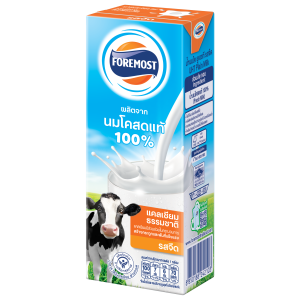
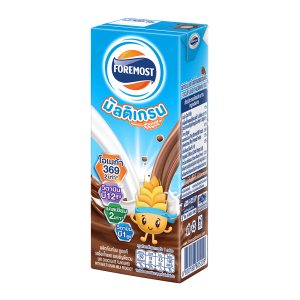
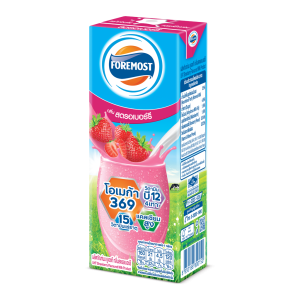
Unlock the secret formula: the ultimate nutritional boost for your child's brain development.
A baby's brain develops rapidly during the first 1,000 days , or three years, a crucial period for learning, memory, and analytical thinking. Receiving proper nutrition during this time plays a vital role in brain growth. Three key nutrients widely recognized for supporting brain development are DHA, sphingomyelin , and vitamin B12. Their synergy is like a 'team of brain engineers' that contributes to both the structure and communication of the nervous system.
Get to know DHA, the ultimate brain nutrient.
DHA is an omega-3 fatty acid that the body cannot produce on its own [1] and is a major component of cell membranes, the brain and the retina. It plays the most important role in the creation of over 40% of brain cells and over 60% of retinal cells, which are crucial because they are part of the nervous system that transmits various signals between cells [1,2] . Numerous studies have shown that DHA is involved in the development of learning, memory and vision in children [1,2]. However, DHA is a highly oxidizing polyunsaturated fatty acid and can be easily degraded by light , heat and oxygen during the production, storage and digestion processes. If DHA degrades before being absorbed, the actual amount of DHA the body receives may be reduced.
Better absorption with innovative... superior encapsulated DHA.
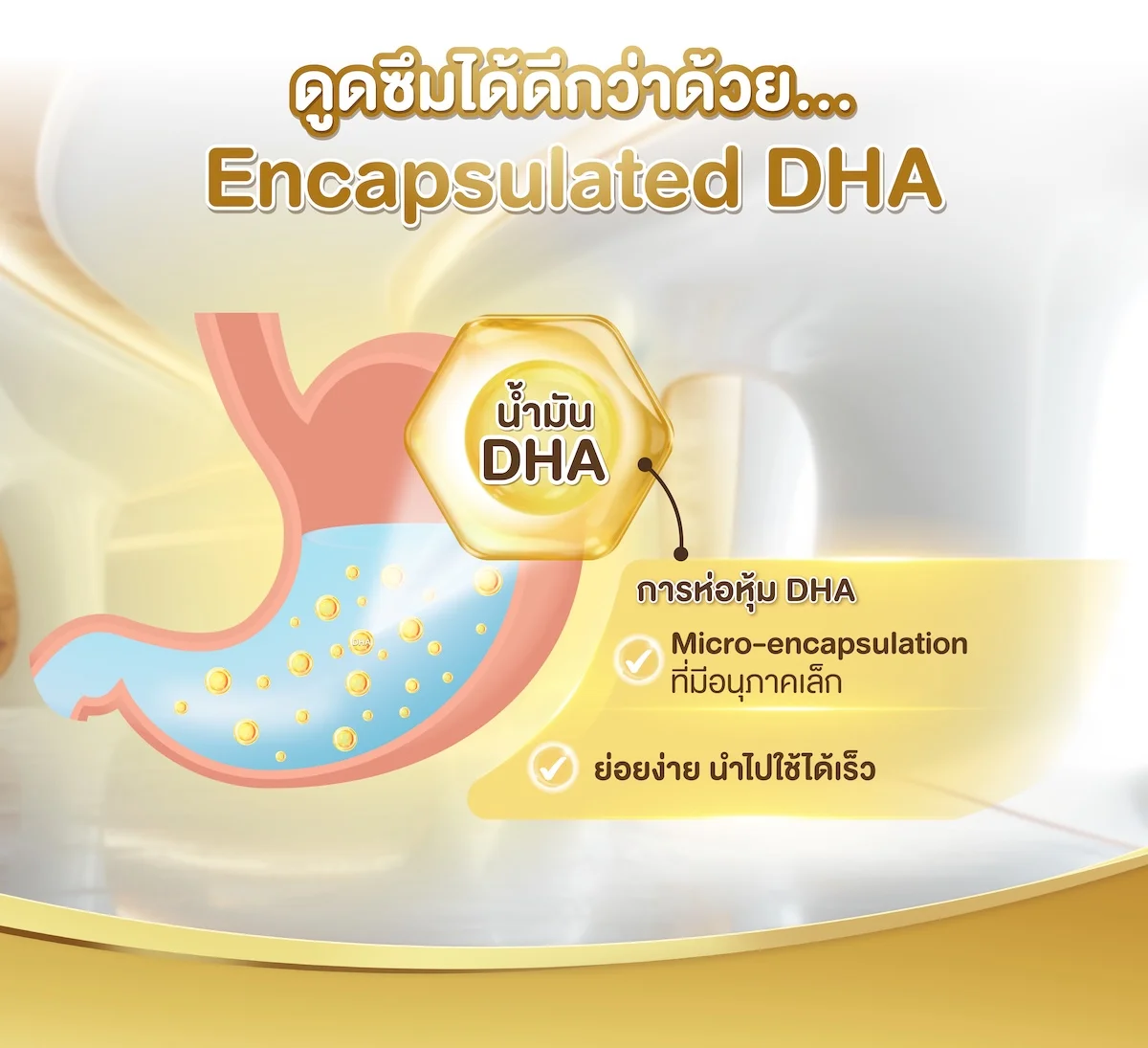
Encapsulated DHA, or DHA encapsulation, has been developed to help protect the structure of DHA and keep it more stable. The principle of encapsulation is to create a protective layer around DHA with a shell , such as a protein, phospholipid, or small emulsion structure, which reduces contact with oxygen and degradation factors [3,4,5].
The mechanism of Encapsulated DHA is that it is a fat arranged in a way that facilitates digestion and absorption by young children, which is essential for neural network formation and vision . There is also research on the Milk Fat Globule Membrane (MFGM) structure that shows that the membrane-bound fat structure improves the efficiency of digestion and absorption for the utilization of fatty acids in the body and also helps to build brain cell membranes and myelin, making nerve signal transmission faster [6].
Sphingomyelin and vitamin B12 are important components of the nervous system.
summarize
The addition of sphingomyelin and vitamin B12 helps DHA function more efficiently through key mechanisms, acting like a complete "signal transmission superhighway" to support the holistic development of the brain, nervous system , and growth in children during their early stages .
Dr. Wannapa
Puranawattanakul
Neonatal and Perinatal Pediatrician
Kasemrad International Hospital, Rattanathibet
Dr. Wannapa
Puranawattanakul
Neonatal Pediatrician
and birth
Kasemrad Hospital
International Rattanathibet
Dr. Wannapa
Puranawattanakul
Neonatal and Perinatal Pediatrician
Kasemrad International Hospital, Rattanathibet
reference
1. Koletzko, B., et al. (2020), Long-chain polyunsaturated fatty acids (LC-PUFA) and DHA in infant nutrition. Nutrients, 12(1), 248.
2. Innis, S.M. (2014). Impact of maternal diet on human milk composition and neurological development of infants. American Journal of Clinical Nutrition, 99(3), 734S–741S.
3. McClements, D.J., & Xiao, H. (2012). Potential biological fate of ingested nanoemulsions: Influence of particle characteristics. Food & Function, 3(3), 202–220.
4. Augustin, M.A., & Hemar, Y. (2009). Nano- and micro-structured assemblies for encapsulation of food ingredients. Food Biophysics, 4, 1–15.
5. Taneja, A., et al. (2019). Encapsulation strategies to improve stability and delivery of omega-3 fatty acids. Food Chemistry, 276, 646–658.
6. Gallier, S., et al. (2015). Milk fat globule membrane structure and digestive behavior. Journal of Dairy Science, 98(9), 6096–6110.
7. Tanaka, K., et al. (2023). Dietary sphingomyelin and its role in myelination and brain development. Trends in Food Science & Technology, 134, 1–10.
8. Oshida, K., et al. (2019).Dietary sphingomyelin intake improves cognitive development in early life. eNeuro, 6(4), ENEURO.0421-18.2019.
10. Heaney, RP (2009).Calcium intake and bone health in children. Journal of the American College of Nutrition, 28(1), 82–90.
11. Goldenberg, R.L., et al. (2011). Vitamin B12 deficiency and neurological development in infants. Pediatrics, 128(4), 657–664.
12. Dror, DK, & Allen, LH (2008). Effect of vitamin B12 deficiency on neurodevelopment. Food and Nutrition Bulletin, 29(2 Suppl), S87–S105.