The first 1000 days = The brain determines the future.

The first 1,000 days = The brain determines the future.

How to make your child smart?

Mother: Will my child be smart? Will they learn quickly, be good at speaking, or have good concentration?

Doctor: The answer to all these questions...begins even before your child speaks their first word, because the first 1,000 days of life are the “window of opportunity” during which your child’s brain grows fastest [1] and perhaps the most in their life.

What are the first 1,000 days?

Doctor: This period spans from 270 days of gestation to 730 days of early childhood (0–2 years), during which your baby's brain grows to about 80% the size of an adult brain [2], trillions of neural connections are formed [3] , and essential nutrients are the primary fuel for brain development.

Essential nutrients during the first 1000 days.

What are some of the essential nutrients?

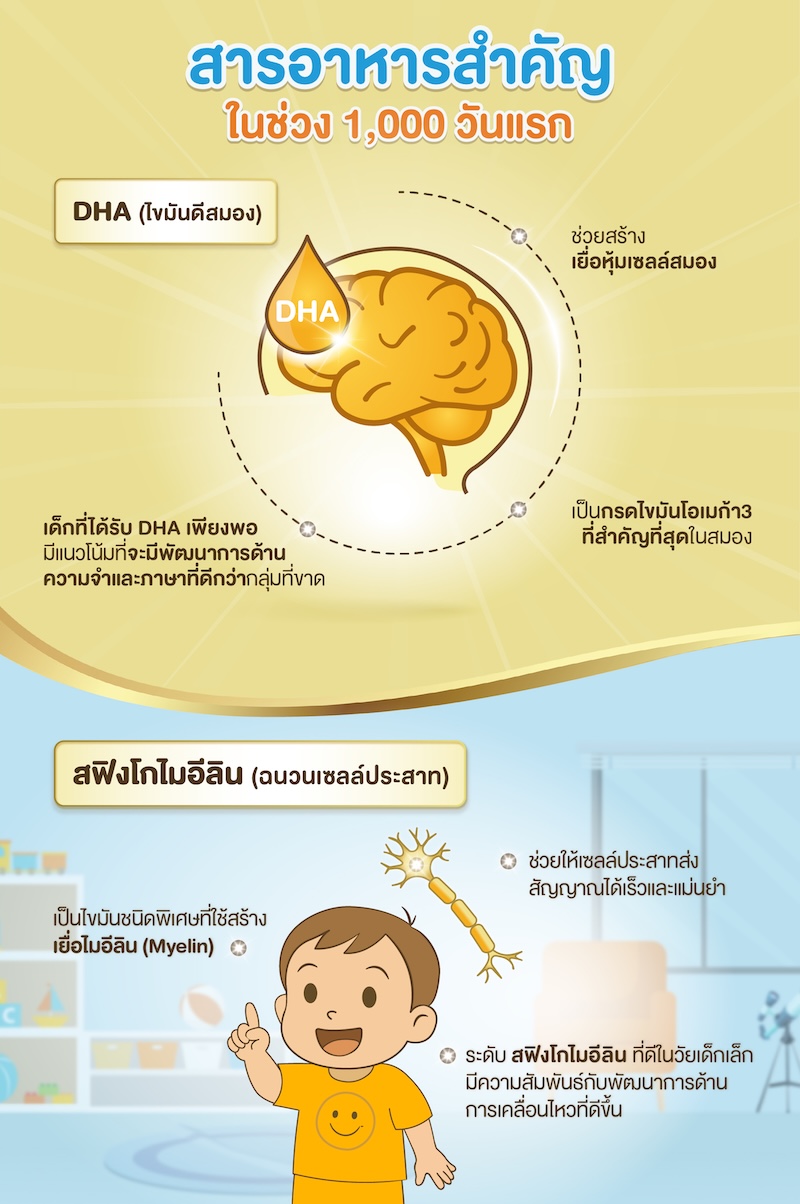
Doctor: The answer is DHA and Sphingomyelin (the perfect duo of nutrients for brain development).

  • DHA (Good fat for the brain):

    It is the most important omega-3 fatty acid for the brain [4] , helping to build brain cell membranes. Children who get enough DHA tend to have better memory and language development than those who are deficient [5].

  • Sphingomyelin (neural insulator):

    It is a special type of fat used to build myelin, which helps nerve cells transmit signals quickly and accurately. It is like an insulator for a wire; if it is well insulated, the signal will not leak and will not be delayed. Research has found that good levels of sphingomyelin in young children are associated with better motor development [6].

What happens if you miss the first 1,000 days?

Doctor: The brain structure formed during the first 1,000 days is like the "foundation" of a lifelong building. If the foundation is strong, the brain is ready to learn anything. But if the foundation is not full, it may limit a child's potential from a young age.

The doctor would like to summarize:

A child's brain grows fastest during the first 1,000 days, and this opportunity to reach its full potential is irreversible. Therefore, parents don't need to wait until their child is articulate before they start nurturing their brain development; building a child's brain should begin today.

Advice from the doctor:

The first 1,000 days are the only opportunity in a child's life to lay the strongest foundation for their brain development.

  • Ages 1 year and older: Increase DHA and Sphingomyelin through fortified foods and milk.
  • Play, talk, and read stories every day to take advantage of the "brain's wiring" that is constantly connecting.
  • Choose nutrition that focuses on building a long-term foundation rather than just satisfying hunger today.

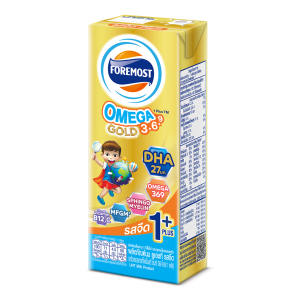
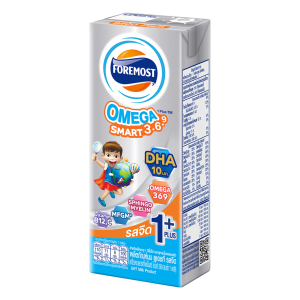
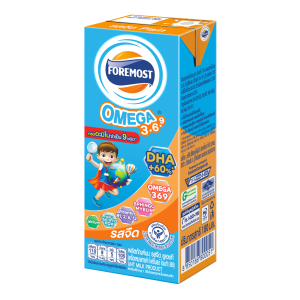
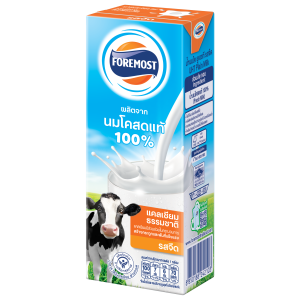
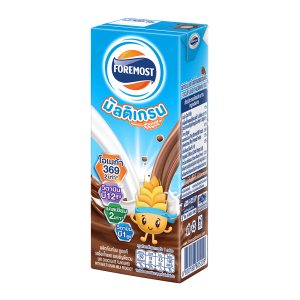
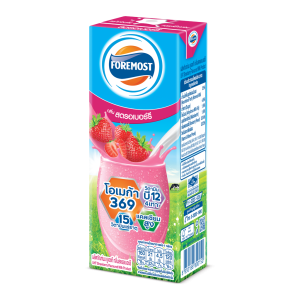
Mothers can choose to give their children UHT milk fortified with DHA and Sphingomyelin to support the development of their child's brain foundations during this crucial period, which allows for the development of both "structure" and "signal transmission" from within.

Dr. Worawit
Kanthamalee

Written by:

Pediatric Infectious Diseases
Phyathai Phaholyothin Hospital

Dr. Worawit
Kanthamalee

Pediatric Infectious Diseases
Phyathai Phaholyothin Hospital

Written by:

Dr. Worawit
Kanthamalee

Pediatric Infectious Diseases
Phyathai Phaholyothin Hospital

References:

1. UNICEF. (nd). The first 1,000 days of life: The brain's window of opportunity. Retrieved August 26, 2025, from https://www.unicef.org/early-childhood-development/1000-days-life

2. Knickmeyer, R.C., Gouttard, S., Kang, C., Evans, D., Wilber, K., Smith, JK, Hpon, C., Hamer, R.M., Lin, W., Gerig, G., & Gilmore, JH (2008). A structural MRI study of human brain development from birth to 2 years. The Journal of Neuroscience, 28(47), 12176–12182.

3. Center on the Developing Child, Harvard University. Brain Architecture.

4. Guesnet, P., & Alessandri, J. M. (2011). Docosahexaenoic acid (DHA) and the developing central nervous system (CNS) – Implications for dietary recommendations. *Biochimie*, *93*(1), 7–12. https://doi.org/10.1016/j.biochi.2010.05.005

5. Ryan, A.S., et al. The role of docosahexaenoic acid in neuronal function. The American Journal of Clinical Nutrition (2013)

6. Schneider N, et al. Sphingomyelin and neurodevelopmental outcomes in early life. Advances in Nutrition (2021)

View more product details

Share