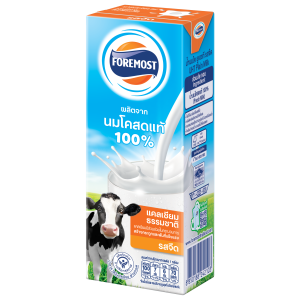
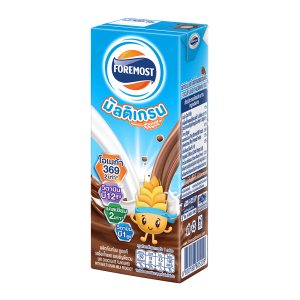
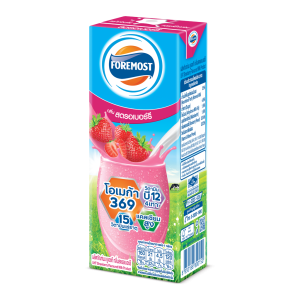
"Small in stature...but a large system." The development of a young child's body, building it for their entire life.
The questions doctors hear most often.
Mother: " My child is so young. Do we really need to pay that much attention to their internal organs, doctor?"
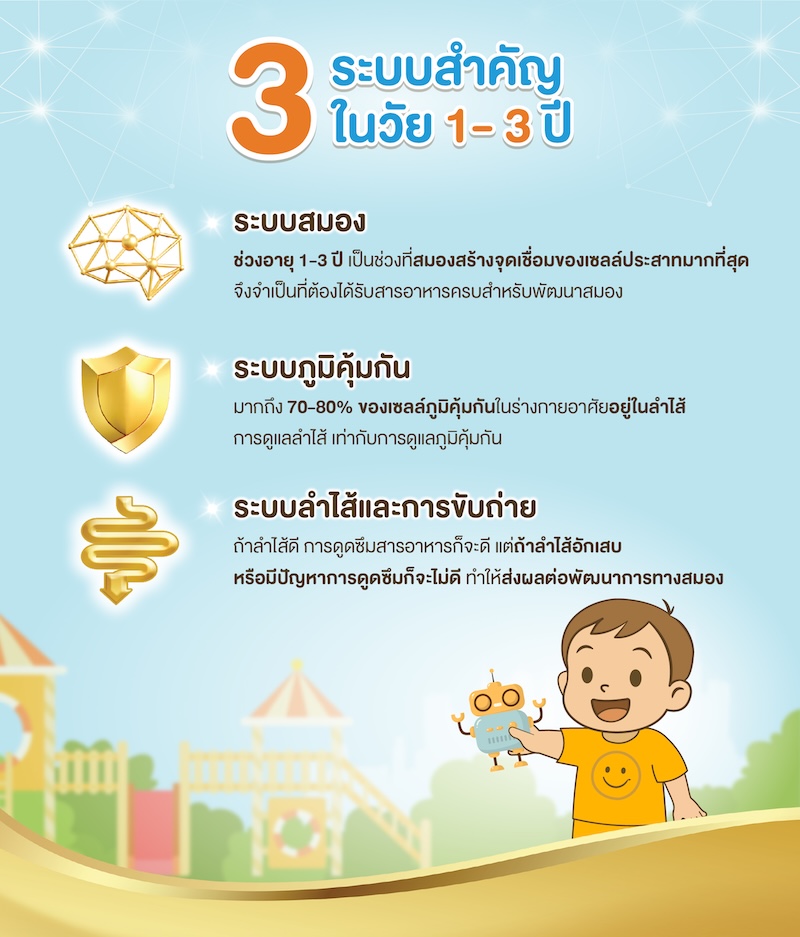
doctor:The toddler years, from 1 to 3 years old, are the period when this "small body" works the hardest in a human's life, including:
Creating "millions of brain neural pathways" to connect language, thought, and emotion.
Building “immunity” that will last a lifetime.
Developing a system of "gut and excretory" health that affects both nutrient absorption and mood.
The Brain: The Golden Age of Nerve Connections
Doctor: The period between 1 and 3 years of age is when the brain makes the most synapses, up to 1 million new synapses per second [1]. If the body lacks essential nutrients such as DHA, sphingomyelin, and vitamin B12, a child may miss out on this crucial brain development opportunity.
Immunity: A system that is still developing in young children.
Doctor: Children at this age have underdeveloped immune systems, making them prone to illness.
Mother: How can we boost our child's immunity?
Doctor: Up to 70-80% of your body's immune cells live in your gut [2]. That means taking care of your gut is like taking care of your immune system.
Digestive System: More Than Just Avoiding Constipation
Doctor: Parents often think that bowel movements are just “pooping every day,” but actually, a child’s intestines are the gateway to nutrient absorption. If the intestines are healthy, they will absorb nutrients such as DHA, vitamins, and minerals well. But if the intestines are inflamed or have problems, absorption will not be good, which will affect brain development (via the gut-brain axis). [3]
The doctor would like to summarize:
Although toddlers may look small, their bodies are actually developing all the major systems that will stay with them throughout their lives. We may only see our children toddling, but inside, they are actually "running a marathon of life."
Advice from the doctor:
Brain: Focus on fortified milk or foods high in DHA and sphingomyelin during the first 1,000 days.
Immunity: Supplement with dietary fiber and prebiotics, such as GOS BIO-ACTIVE, to nourish the gut and strengthen the immune system.
Digestive system: Encourage young children to eat fruits and vegetables and drink milk formulated specifically for them with dietary fiber, such as GOS BIO-ACTIVE or PDX.
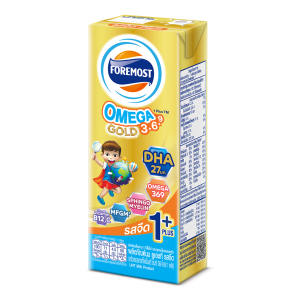
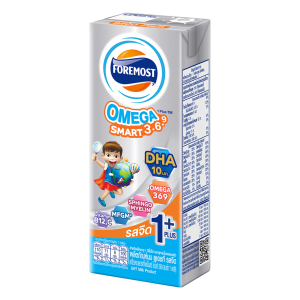
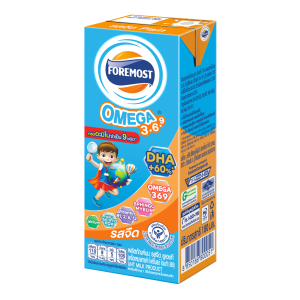
Mothers can choose to give their children UHT milk fortified with nutrients designed for toddlers. This milk should contain nutrients that work in a way that supports the child's internal systems, because supplementing from a young age lays the foundation for a "sharp mind, strong immune system, and healthy digestion" throughout their lives.
1. Center on the Developing Child, Harvard University. Brain Architecture.
2. Vighi, G., et al. Allergy and the gastrointestinal system. Clinical & Experimental Immunology (2008); Wiertsema, SP, et al. The Interplay between the Gut Microbiome and the Immune System in the Context of Infectious Diseases throughout Life and the Role of Nutrition in Optimizing Treatment Strategies. Nutrients (2021).
3. Cryan, JF, Dinan, TG Mind-altering microorganisms: the impact of the gut microbiota on brain and behavior. Nature Reviews Neuroscience (2012)