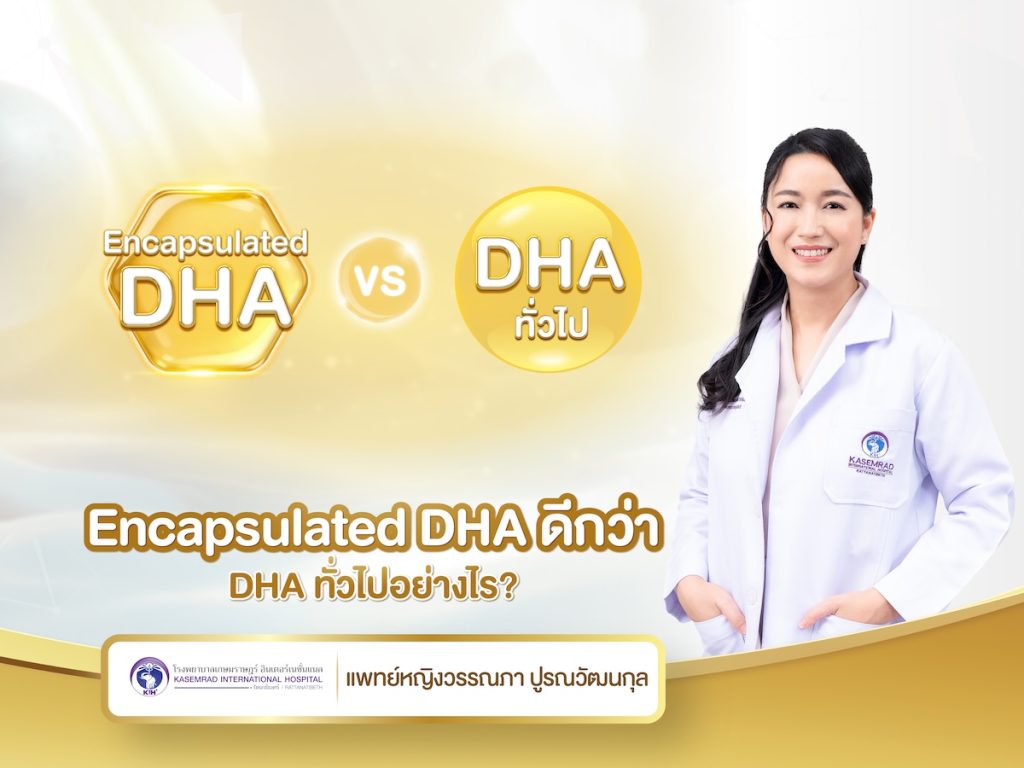
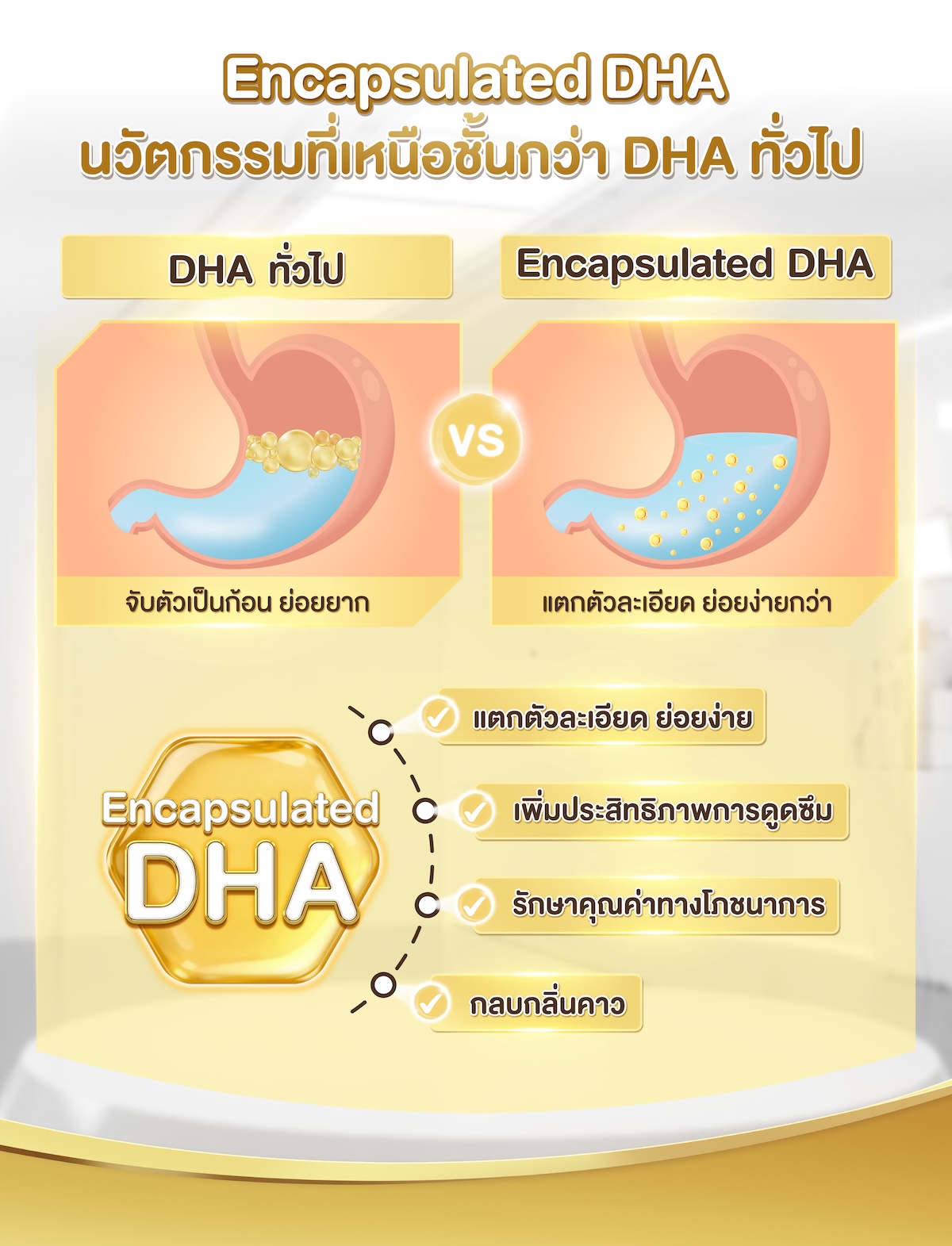
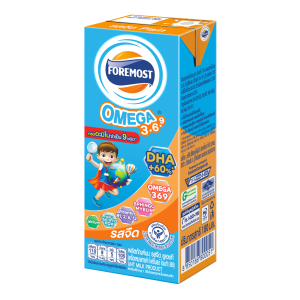
To ensure your baby has age-appropriate brain development, it's safe to say no mother is unfamiliar with DHA (Docosahexaenoic Acid)[1]. However, common DHA (Soft gel DHA) is often in the form of large oil droplets, which take a long time to break down in the stomach. Due to the limited surface area for digestion, it is difficult for lipase enzymes to break it down. It is also susceptible to degradation from oxidation and has an unpleasant taste [2,4]. In addition, the release of nutrients in the acidic environment of the stomach may result in reduced nutrient utilization efficiency [6,7]. Therefore, the innovation of Encapsulated DHA , or the use of technology to encapsulate fish oil molecules, has been developed to address these limitations.
4 advantages of Encapsulated DHA
1. Enhanced Absorption: The encapsulation of DHA reduces the particle size of the fat to a smaller size and distributes it more evenly, which allows enzymes in the digestive system to break it down more easily than in the general oil form [3] , resulting in the body being able to absorb fatty acids in the small intestine to be used in various systems more efficiently (Bioavailability) [3,4].
2. Systematic Nutrient Release: Conventional DHA may lose some of its value when exposed to stomach acid [4] , but Encapsulated DHA is designed to withstand acidic conditions and will only begin to break down to release nutrients once it reaches the small intestine [5] , the main site where the body absorbs fats into various systems. This precise delivery greatly reduces nutrient loss during digestion [3].
3. Maintaining Quality and Protecting Nutrients from Oxidation DHA is generally very sensitive to light, heat and oxygen, which can easily cause oxidation and degradation of the nutrients [2,4]. However, Encapsulation technology involves encapsulating DHA molecules in tiny capsule walls (Micro-shells) to act as a barrier, preventing DHA from coming into direct contact with air [2], thus preserving its nutritional value and keeping it fresh until it is absorbed by the body [5].
4. Masks the fishy smell and taste. The main problem that causes children to refuse to take DHA is the strong "fishy smell" [2]. In the encapsulated form, the encapsulated wall keeps the fishy smell tightly contained [4] , so there is no fishy taste when taken, resulting in children accepting the supplement better [2].
summarize
Encapsulated DHA is another option for mothers to preserve nutritional value and increase absorption rate while reducing the problem of fishy smell of DHA [2,3,4] for healthy growth of their babies, as DHA is one of the important factors in promoting the continuous brain and vision development of babies.
Dr. Wannapa Puranawattanakul
Written by:
Neonatal and Perinatal Pediatrician Kasemrad International Hospital, Rattanathibet
Dr. Wannapa Puranawattanakul
Neonatal Pediatrician and birth Kasemrad Hospital International Rattanathibet
Written by:
Dr. Wannapa Puranawattanakul
Neonatal and Perinatal Pediatrician Kasemrad International Hospital, Rattanathibet
reference
1. Calder, P. C. (2016). “Docosahexaenoic Acid (DHA): An Essential Nutrient and a Essential Fortifier for Nervous System.” Nutrients.
2. Bakry, AM, et al. (2016). “Microencapsulation of fish oil: A review.” Trends in Food Science & Technology.
3. Raatz, S.K., et al. (2009). “Enhanced absorption of n-3 fatty acids from emulsified compared with encapsulated fish oil.” Journal of the American Dietetic Association.
4. Garg, M.L., et al. (2006). “Means of delivering omega-3 fatty acids as functional foods and dietary supplements.” Critical Reviews in Food Science and Nutrition.
5. Augustin, M.A., et al. (2006). “Nano- and micro-encapsulation for foods.” International Dairy Journal.
6. Bannenberg, G., et al. (2017). Ingredient quality and safety of fish oil dietary supplements revealed by labels and analysis. Journal of Food Composition and Analysis.
7. Kaur, N., et al. (2013). Fatty acid composition and objective sensory quality of milk from cows fed microencapsulated fish oil. Journal of Dairy Science.