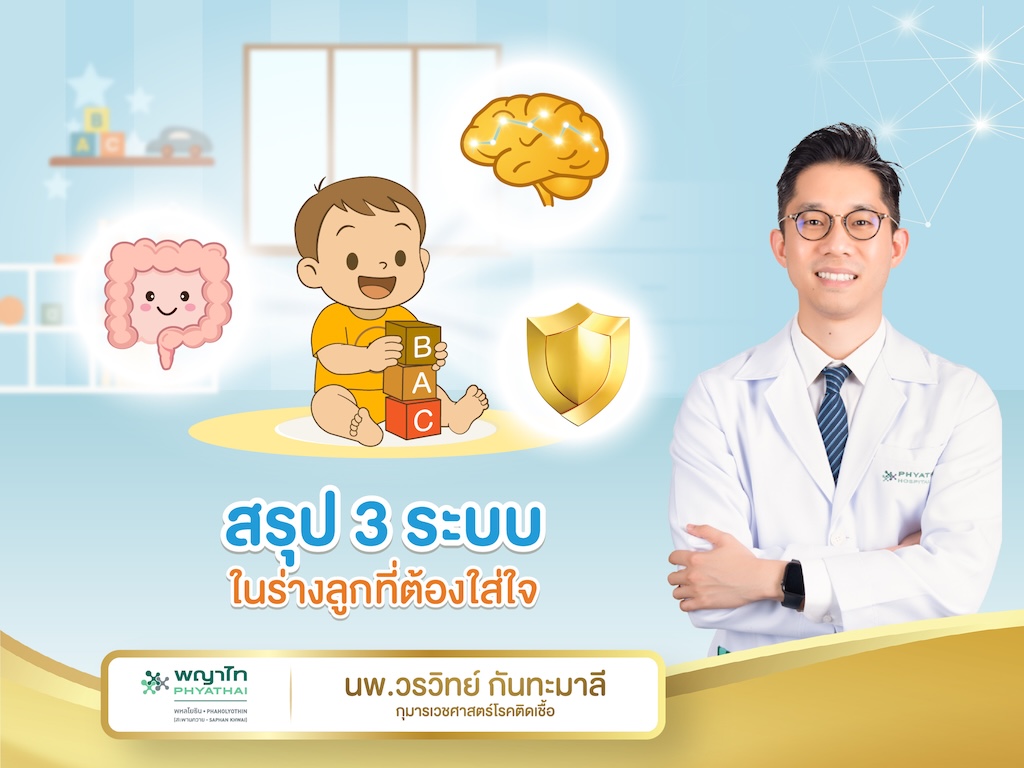
Three systems in a baby's body that require attention.
Series Summary: Unlocking the Secrets of Child Development
Doctor: Between the ages of 1 and 3, a child's body functions like the fastest growing machine in life. But behind that tiny frame lies an incredibly complex network of systems, and that young body requires precise, complete, and efficient nutrition to lay the foundation for a healthy future.
A summary of the three body systems in your baby that need simultaneous care.
- The brain = the source of potential.
- Fastest growth during the first 1,000 days [1]
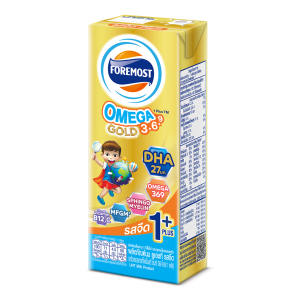
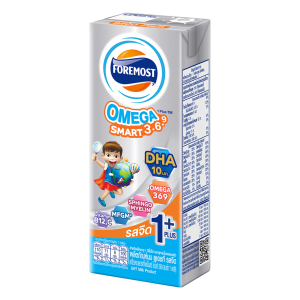
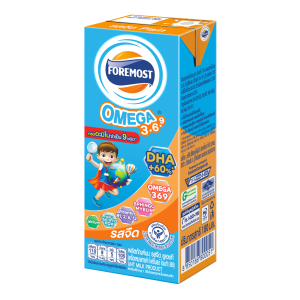
- DHA is needed to build brain structure [2].
- Sphingomyelin is needed to insulate nerve fibers (myelin) so that they can think quickly and transmit signals rapidly. [3]
- Vitamin B12 is needed to support the production of neurotransmitters that affect memory, concentration, and mood.
- Immunity = the body's secret shield
- 70–80% of immunity is located in the gut [4].
- GOS BIO-ACTIVE promotes the growth of beneficial microorganisms [5] (e.g., Bifidobacteria).
- When good bacteria are healthy, the body can build a strong immune system, reducing the chances of getting sick.
- The excretory system = a mirror reflecting balance.
- If a child has poor gut health, they will have difficulty defecating, which can disrupt their brain and emotional balance.
- GOS BIO-ACTIVE helps to soften the stool and make bowel movements easier [6].
The relationship between the three systems connects them to form a single system.
- The brain needs energy from its gut to function optimally.
- A healthy gut requires good bacteria.
- Beneficial microorganisms need proper nutrition to survive.
- And a strong immune system… requires all of the above.
The doctor would like to summarize:
Dr. Worawit
Kanthamalee
Pediatric Infectious Diseases
Phyathai Phaholyothin Hospital
Dr. Worawit
Kanthamalee
Pediatric Infectious Diseases
Phyathai Phaholyothin Hospital
Written by:
Dr. Worawit
Kanthamalee
Pediatric Infectious Diseases
Phyathai Phaholyothin Hospital
References:
1. UNICEF. (nd). The first 1,000 days of life: The brain's window of opportunity. Retrieved August 26, 2025, from https://www.unicef.org/early-childhood-development/1000-days-life
2. Guesnet, P., & Alessandri, J. M. (2011). Docosahexaenoic acid (DHA) and the developing central nervous system (CNS) – Implications for dietary recommendations. *Biochimie*, *93*(1), 7–12. https://doi.org/10.1016/j.biochi.2010.05.005
3. Schneider N, et al. Sphingomyelin and neurodevelopmental outcomes in early life. Advances in Nutrition (2021)
4. Vighi, G., et al. Allergy and the gastrointestinal system. Clinical & Experimental Immunology (2008); Wiertsema, SP, et al. The Interplay between the Gut Microbiome and the Immune System in the Context of Infectious Diseases throughout Life and the Role of Nutrition in Optimizing Treatment Strategies. Nutrients (2021).
5. Mei, Z., Yuan, J., & Li, D. (2022). Biological activity of galacto-oligosaccharides: A review. Frontiers in Microbiology, 13, 993052.
6. Gibson, G.R., Hutkins, R., Sanders, M.E., Prescott, S.L., Reimer, R.A., Salminen, S.J., Scott, K., Stanton, C., Swanson, K.S., Cani, P.D., Verbeke, K., & Reid, G. (2017). Expert consensus document: The International Scientific Association for Probiotics and Prebiotics (ISAPP) consensus statement on the definition and scope of prebiotics. *Nature Reviews Gastroenterology & Hepatology*, *14*(8), 491–502. https://doi.org/10.1038/nrgastro.2017.75