Dietary fiber = A detoxification system that parents often overlook.

Bowel problems are a daily concern for mothers.

Mother: "My child strains to poop until their face turns red every morning," or "Their stool is hard and lumpy, which frustrates me every day."

Doctor: For young children aged 1-3 years, good bowel movements aren't just about "pooping," but are the starting point for "holistic balance," from the gut to emotions and the immune system.

The digestive system of young children is not yet fully developed.

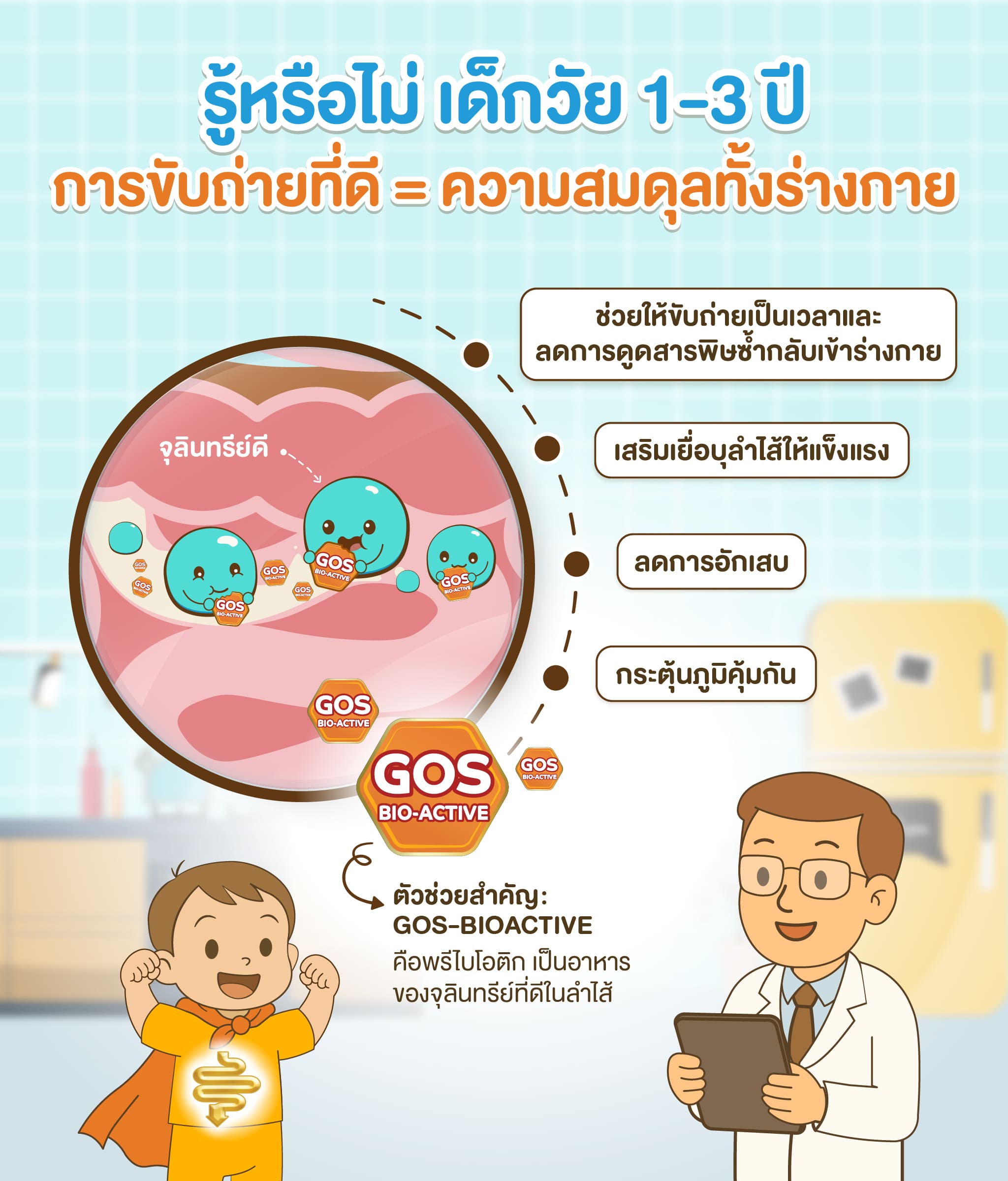
Doctor: Young children have thin intestinal linings and their digestive systems are still learning. If there isn't enough fiber in their intestines, waste products will accumulate and be reabsorbed into their bodies [1], leading to intestinal inflammation, immune system imbalances, and mood swings.

Mother: So what should we do, doctor?

Doctor: You can supplement with GOS BIO-ACTIVE nutrients or natural dietary fiber.

Did you know that in children aged 1-3 years, good bowel movements are equivalent to overall body balance?

What is GOS BIO-ACTIVE?

Doctor: GOS (Galacto-oligosaccharide) is a type of prebiotic [2]. It is a soluble dietary fiber that the body cannot digest. It travels directly to the large intestine and serves as food for good gut bacteria such as Bifidobacterium.

Mother: So, what are the benefits of GOS BIO-ACTIVE?

Doctor: It helps increase the production of SCFAs (Short Chain Fatty Acids), which will help…

  • Reduce inflammation [3]
  • Boost immunity [4]
  • Strengthen the intestinal lining [5]
  • It helps to regulate bowel movements and reduces the reabsorption of toxins into the body [6].

Research in young children has found that GOS BIO-ACTIVE safely increases the good bacteria in the gut and results in softer stools and better bowel movements [7].

How much fiber should children this age be getting?

Doctor: Children 1–3 years old should receive at least 19 grams of dietary fiber per day, but Thai children often only receive half that amount due to their picky eating habits and lack of vegetables [8] . Therefore, adding dietary fiber from other sources, such as milk fortified with GOS BIO-ACTIVE, is a safe shortcut.

The doctor would like to summarize:

During a child's immature gut, GOS BIO-ACTIVE is a trusted companion that helps ensure smooth bowel movements and also provides an unexpected immune boost for parents.

Advice from the doctor:

  • Start by incorporating natural fiber into your diet from sources like bananas, mashed potatoes, mashed brown rice, and pumpkin.
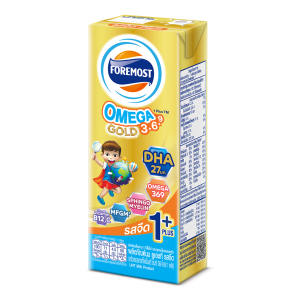
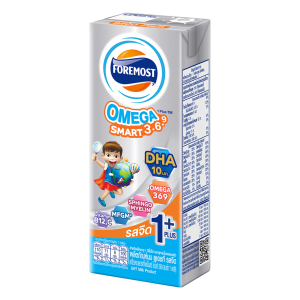
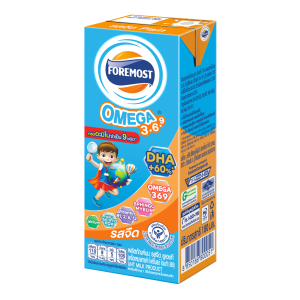
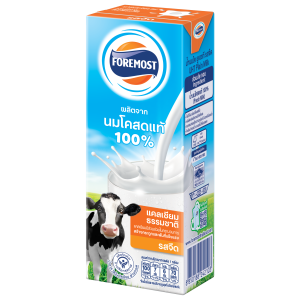
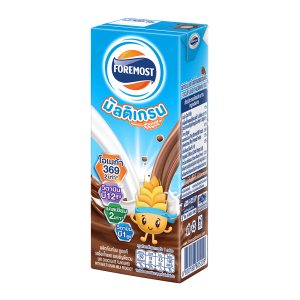
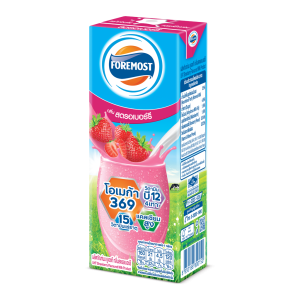
  • Choose UHT milk fortified with GOS BIO-ACTIVE because it is safe and suitable for children aged 1 year and older.
  • Observe your child's stool. If it's soft and they have a bowel movement every day, it indicates that their intestinal system is in balance.
  • Children who strain to defecate for more than 5 minutes, or who frequently have to stop activities due to constipation, should have their diet adjusted immediately.

Mothers can choose to give their children UHT milk fortified with GOS BIO-ACTIVE and Vitamin C to promote natural bowel function. Healthy intestines help reduce minor inflammation in children's gut, and a strong immune system contributes to a happy mood and a clear mind ready to learn. Therefore, clean intestines are the foundation for a healthy child from within.

Dr. Worawit
Kanthamalee

Written by:

Pediatric Infectious Diseases
Phyathai Phaholyothin Hospital

Dr. Worawit
Kanthamalee

Pediatric Infectious Diseases
Phyathai Phaholyothin Hospital

Written by:

Dr. Worawit
Kanthamalee

Pediatric Infectious Diseases
Phyathai Phaholyothin Hospital

References:

1. Barber, T.M., Kabisch, S., Pfeiffer, AFH, & Weickert, M.O. (2020). The health benefits of dietary fiber. *Nutrients*, *12*(10), 3209. https://doi.org/10.3390/nu12103209

2. Mei, Z., Yuan, J., & Li, D. (2022). Biological activity of galacto-oligosaccharides: A review. Frontiers in Microbiology, 13, 993052.

3. Davani-Davari, D., Negahdaripour, M., Karimzadeh, I., Seifan, M., Mohkam, M., Masoumi, S.J., Berenjian, A., & Ghasemi, Y. (2019). Prebiotics: Definition, types, sources, mechanisms, and clinical applications. *Foods*, *8*(3), 92. https://doi.org/10.3390/foods8030092

4. Lomax, A.R., & Calder, P.C. (2009). Prebiotics, immune function, infection and inflammation: a review of the evidence. *Current Opinion in Clinical Nutrition and Metabolic Care*, *12*(6), 585–593. https://doi.org/10.1097/MCO.0b013e328330e263

5. Holscher, H. D. (2017). Dietary fiber and prebiotics and the gastrointestinal microbiota. *Gut Microbes*, *8*(2), 172–184. https://doi.org/10.1080/19490976.2017.1290756

6. Gibson, G.R., Hutkins, R., Sanders, M.E., Prescott, S.L., Reimer, R.A., Salminen, S.J., Scott, K., Stanton, C., Swanson, K.S., Cani, P.D., Verbeke, K., & Reid, G. (2017). Expert consensus document: The International Scientific Association for Probiotics and Prebiotics (ISAPP) consensus statement on the definition and scope of prebiotics. *Nature Reviews Gastroenterology & Hepatology*, *14*(8), 491–502. https://doi.org/10.1038/nrgastro.2017.75

7. Moro, G., Minoli, I., Mosca, M., Fanaro, S., Jelinek, J., Stahl, B., & Boehm, G. (2002). Dosage-related bifidogenic effects of galacto- and fructooligosaccharides in formula-fed term infants. *Journal of Pediatric Gastroenterology and Nutrition*, *34*(3), 291–295. https://doi.org/10.1097/00005176-200203000-00014

8. Chotiboriboon, S., Tantibhaedhyangkul, R., & Vora-Aut, L. (2018). Dietary fiber, fluid and energy intake in constipated and non-constipated preschool children in Bangkok. *Journal of the Medical Association of Thailand*, *101*(1), 74-81.

View more product details

Share

Accumulate purchase points, upgrade your membership level, and receive exclusive additional discounts.

Get a FREE Omega Imagination-Boosting Playdough Set (worth 299 THB)! Offer valid only from February 15th to 28th, 2026.

Members can use discount coupons at checkout when purchasing items totaling 1,000 baht or more.