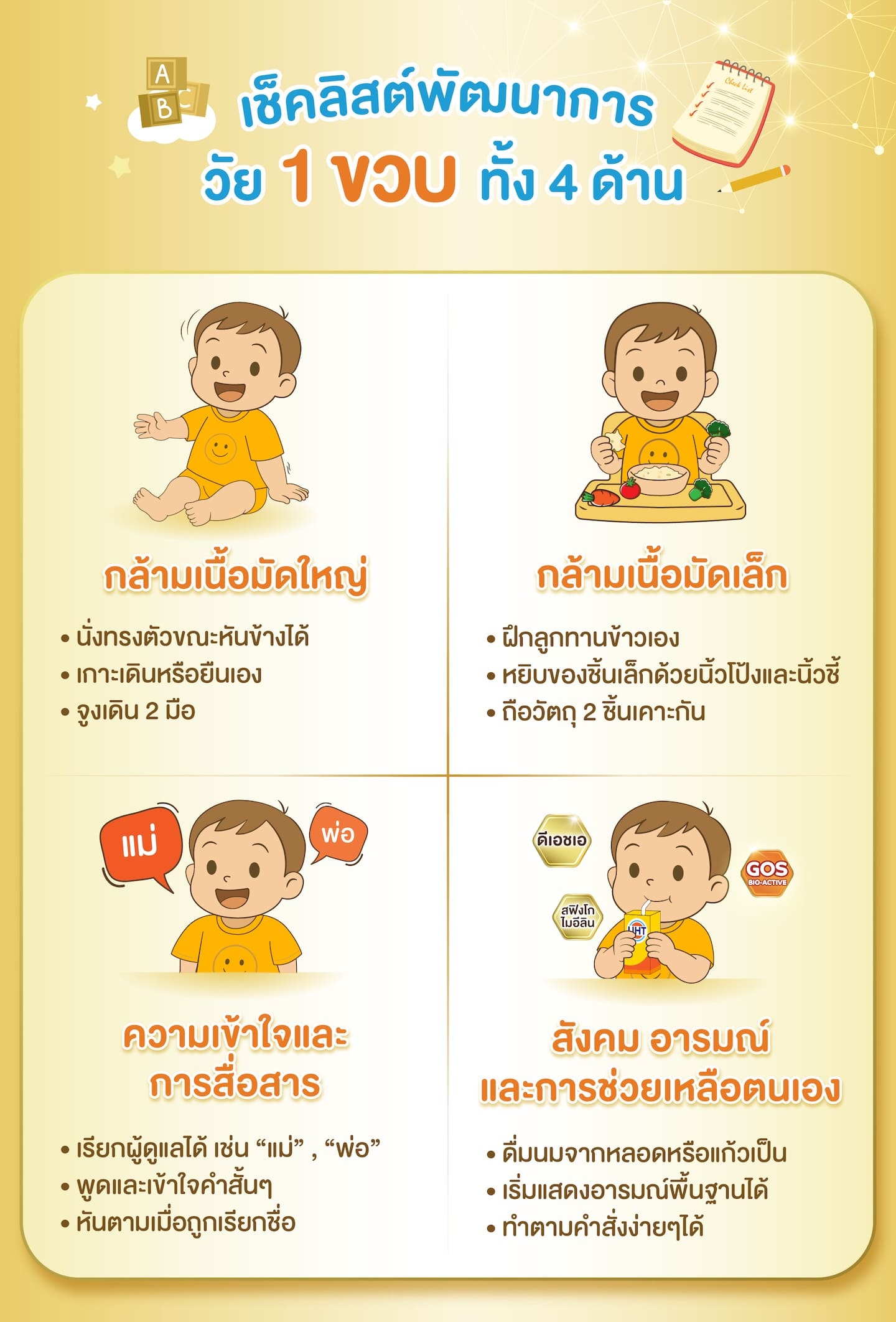
4 areas of child development for 1 year olds, check it out.

Child Development at 1 Year Old: 4 Areas of Child Development
For 1-year-olds, check this out!

The development of modern children , or what we call "Gen Alpha," those born from 2010 onwards, tends to be rapid and quick learners from a young age. This is because they are born into an era surrounded by advanced technology and have access to a wide range of readily available learning resources. However, these children are also often more vulnerable in several areas, such as attention deficit problems and social difficulties. Therefore, parenting must focus on achieving a balanced and appropriate approach.

In addition, a young child's brain is not yet fully developed, so every day a child grows is an opportunity to learn and develop their brain's abilities and functions in parallel with their physical development. There are special, sensitive periods or windows of opportunity during a child's development [13]. If a mother can support development at the right time, that development can progress rapidly.

Checklist of developmental milestones at 1 year old: 4 areas.

Checklist of 4 developmental milestones to observe in children aged 1 year.

  1. Gross Motor Development [11,14]
    • Able to maintain balance in a seated position while facing sideways.
    • Able to walk while holding onto something – Can stand on their own for a short time (about 2 seconds), although not very stable; they may spread their arms and legs for balance.
    • Holding hands while walking
  2. Fine Motor Development [6,14,15,16]
    • Teaching your child to eat independently – Start teaching your child to use their hands to eat from around 6-7 months old. Initially, your child may play with their food, so you may need to be patient and allow them to learn. Once your child can pick up food and put it in their mouth more easily, you can begin teaching them to use a spoon.
    • Picking up small objects with the thumb and forefinger (pincer grasp) – Mothers can frequently demonstrate how to pick up objects to their children so that they can try to imitate it themselves.
    • Picking up objects and putting them in a cup/box, or holding two objects and tapping them together – developmental toys that involve picking up, grasping, and releasing will encourage your child to do more.
  3. Language Development [11,14,15,16,17]
    • You can use specific terms to address your caregiver, such as "Mom," "Dad," or "Grandma."
    • The child can speak and understand short words such as "go" and "take".
    • They can turn their heads when their name is called, or understand a prohibition sound and stop doing something.
  4. Social-Emotional Development and self-help [12,15,16]
    • Use a drinking glass or drink milk through a straw, for example.
    • They can express basic emotions – children will begin to experience basic emotions depending on the situation, such as happiness, sadness, anger, fear, and dislike.
    • Simple gestures can be used to communicate, such as waving goodbye or saying hello.
At one year old, children begin to do many things. Therefore, it is important for mothers to regularly monitor and encourage their child's development to ensure they progress appropriately for their age. If a mother is unsure whether her child may have developmental delays, she should consult a doctor for timely assistance.

Support your child's development at 1 year old with complete nutrition [1,2,3,4,5,6,7,8,9,10].

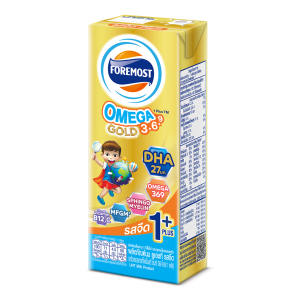
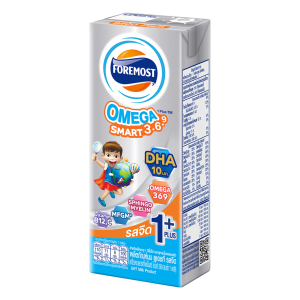
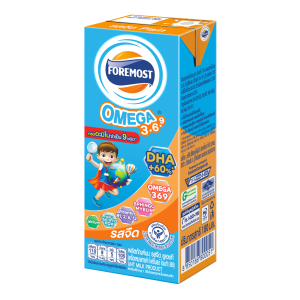
In addition to developing your child's skills in the four areas mentioned above, another crucial factor is ensuring they receive complete and sufficient nutrition and energy. This impacts their physical and brain development, and strengthens their immune system. Therefore, mothers should ensure their children eat a balanced diet from all five food groups and supplement their diet with milk fortified with brain-boosting nutrients such as DHA, sphingomyelin, MFGM, omega 3, 6, and 9, vitamin B12, and choline. They should also include nutrients like GOS BIO-ACTIVE and vitamin C to boost immunity, and calcium for strong bones and teeth development.

In summary, at the age of one, children begin to learn things little by little. Mothers should keep records and observe their child's development and behavior changes according to the four developmental milestones checklist mentioned above. This should be combined with proper nutrition, which is crucial in supporting child development. Mothers should ensure their children eat a balanced diet from all five food groups and drink 2-3 cartons of fortified milk daily to help support brain development, boost immunity, and ensure their physical growth to their full potential.

Dr. Nattawan Charuwarapolkul

Dr. Nattawan
Charuwarakul

Written by:

Developmental and Behavioral Pediatrician
Phyathai 3 Hospital

Dr. Nattawan Charuwarapolkul

Dr. Nattawan
Charuwarakul

Developmental pediatrician
And behavior.
Phyathai 3 Hospital

Dr. Nattawan Charuwarapolkul
Written by:

Dr. Nattawan
Charuwarakul

Developmental and Behavioral Pediatrician
Phyathai 3 Hospital

Frequently asked questions

Large muscle groups: Control balance, walking, running, jumping, and climbing.
Fine motor skills and cognitive abilities: Picking up objects, squeezing, rotating, stacking blocks, holding a pencil, solving simple problems.
Language and communication: Understanding through listening, following simple instructions, pronouncing words/sentences, communicating needs.
Self-help and social/emotional development: Eating, basic dressing, playing with others, expressing emotions appropriately.
There are essentially four main areas as well (gross motor skills, fine motor skills-cognitive skills, language and communication, social, emotional and self-help skills).
Large muscle groups: Standing independently for short periods, holding onto something to walk, or taking 1-2 steps.
Fine motor skills and cognitive abilities: Picking up small objects with the thumb and forefinger (pincer grasp), waving/clapping hands, placing objects into and out of containers.
Language and Communication: Understand simple commands ("come-go-get"), speak 1–3 meaningful words, point to what is needed.
Self-help and social skills: Using a drinking cup or straw, eating small pieces of food with hands, playing pass-and-go games, responding to smiles/being called by name.
กล้ามเนื้อมัดใหญ่: ให้คลาน เดินเกาะ เผชิญพื้นผิวต่างๆ เล่นลูกบอล ปีนสิ่งกีดขวางที่ปลอดภัย
กล้ามเนื้อมัดเล็ก-สติปัญญา: เล่นบล็อกหยอดรูปทรง หนังสือภาพพลิกหน้า ระบายสีด้ามใหญ่ เกมใส่-เท ของ
ภาษาและการสื่อสาร: พูดคุยบ่อยๆ อ่านนิทานวันละ 10–15 นาที ชี้-บอกชื่อสิ่งของ ร้องเพลง ทำท่าทางประกอบ
ช่วยเหลือตนเอง–สังคม: ฝึกดื่มถ้วย เปิดโอกาสให้ลองตักกินเอง จับมือทักทาย ผลัดกันเล่น ตั้งกิจวัตรสม่ำเสมอ
โภชนาการ: จัดอาหารครบ 5 หมู่ เน้นโปรตีน เหล็ก แคลเซียม ผักผลไม้ เด็กอายุ ≥1 ปีที่รับประทานนมวัวได้ ให้ปริมาณเหมาะสมต่อวันควบคู่มื้ออาหาร และดื่มน้ำเพียงพอ
สุขภาพและความปลอดภัย: ฉีดวัคซีนตามกำหนด นอนเพียงพอ เล่นในพื้นที่ปลอดภัย จำกัดหน้าจอ (เลี่ยงหน้าจอสำหรับ <18 เดือน ยกเว้นวิดีโอคอล)
การสังเกตเตือนภัย: หากไม่สบตา ไม่ตอบสนองต่อชื่อ ไม่พยายามสื่อสาร หรือทักษะถดถอย ควรปรึกษากุมารแพทย์/นักพัฒนาการเด็ก

reference

1. Bourlieu, C., Ménard, O., Bouzerzour, K., Mandalari, G., Macierzanka, A., & Dupont, D. (2020). Milk fat globule membrane: The role of its various components in infant nutrition. Journal of Nutritional Biochemistry, 85, 108465. https://doi.org/10.1016/j.jnutbio.2020.108465

2. Carr, A.C., & Maggini, S. (2017). Vitamin C and immune function. Nutrients, 9(11), 1211. https://doi.org/10.3390/nu9111211

3. Deoni, SCL, O'Muircheartaigh, J., Elison, JT, Walker, L., Doernberg, E., Waskiewicz, N., Dirks, H., Piryatinsky, I., Dean, D.C., Jumbe, NL, & Adams, SH (2019). Sphingomyelin in brain and cognitive development: Preliminary data. eNeuro, 6(4), ENEURO.0421-18.2019. https://doi.org/10.1523/ENEURO.0421-18.2019

4. EFSA Panel on Dietetic Products, Nutrition and Allergies (NDA). (2014). Scientific opinion on the substantiation of a health claim related to DHA and contribution to normal brain development pursuant to Article 14 of Regulation (EC) No 1924/2006. EFSA Journal, 12(10), 3840. https://doi.org/10.2903/j.efsa.2014.3840

5. EFSA Panel on Dietetic Products, Nutrition and Allergies (NDA). (2016). Scientific opinion on dietary reference values for choline. EFSA Journal, 14(8), 4484. https://doi.org/10.2903/j.efsa.2016.4484

6. Frankenburg, W. K., Dodds, J., Archer, P., Shapiro, H., & Bresnick, B. (1992). The Denver II: A major revision and restandardization of the Denver Developmental Screening Test. Pediatrics, 89(1), 91–97.

7. Innis, S.M. (2007). Omega-3 fatty acids and neural development to human infancy. British Journal of Nutrition, 98(S1), S5–S10. https://doi.org/10.1017/S0007114507832895

8. Lomax, A.R., & Calder, P.C. (2009). Prebiotics, immune function, infection and inflammation: A review of the evidence. British Journal of Nutrition, 101(5), 633–658. https://doi.org/10.1017/S0007114508055608

9. Munns, CF, Shaw, N., Kiely, M., Specker, BL, Thacher, TD, Ozono, K., Michigami, T., Tiosano, D., Mughal, MZ, Mäkitie, O., Pettifor, JM, Seth, A., Idris, HW, Bhatia, V., Fu, J., Goldberg, G., Bonjour, J.-P., Braegger, C.P., Ward, L., … & Hochberg, Z. (2016). Global consensus recommendations on prevention and management of nutritional rickets. Journal of Clinical Endocrinology & Metabolism, 101(2), 394–415. https://doi.org/10.1210/jc.2015-2175

10. Winje, B.A., Kumar, A., Taneja, S., Bhandari, N., Bahl, R., Strand, TA, & Bhandari, N. (2018). Does early vitamin B12 supplementation improve neurodevelopment and cognitive function in infants? American Journal of Clinical Nutrition, 108(6), 1234–1243. https://doi.org/10.1093/ajcn/nqy219

11. Jariya Chutaphisit and Sureelak Sujaritpong. (2013). Normal Development. In Tippawan Hansakunachai, Rawiwan Roongpraiwan, Sureelak Sujaritpong and Weerasak Cholchaiya (editors), Textbook of Child Development and Behavior Volume 3: Caring for Healthy Children (pp. 39–52). Bangkok: Beyond Enterprise Co., Ltd.

12. Chuthamas Worachotkamjorn. (2013). Emotional and social development. In Tippawan Hansakunachai, Rawiwan Rungpraiwan, Sureelak Sujaritpong and Weerasak Cholchaiya (editors), Textbook of Child Development and Behavior Volume 3: Caring for Healthy Children (pp. 53–65). Bangkok: Beyond Enterprise Co., Ltd.

13. Nittaya Kachapakdee. (2011). Child Development. In Chakriya Theeranet, Tippawan Hansakunachai, Pongsak Noipayak, Rawiwan Rungpraiwan, Sureelak Sujaritpong and Adisuda Fuengfu (editors), Textbook of Child Development and Behavior for General Practice (pp. 1–25). Bangkok: Beyond Enterprise Co., Ltd.

14. Nittaya Kochapakdee. (2008). Child development. In Nichara Ruangdarakanon, Chakriya Theeranet, Rawiwan Roongpraiwan, Tippawan Hansakunachai, and Nittaya Kochapakdee (eds.), Textbook of Development and Behavior (1st ed., pp. 389–390). Bangkok: Holistic Publishing.

15. Banchuen Benjasuwanthep. (2013). Development of eating habits in children. In Tippawan Hansakunachai, Rawiwan Rungpraiwan, Sureelak Sujaritpong and Weerasak Cholchaiya (editors), Textbook of Child Development and Behavior Volume 3: Caring for Healthy Children (pp. 139–156). Bangkok: Beyond Enterprise Co., Ltd.

16. Pongsak Noipayak and Dusadee Ngernlangtawee. (2018). Child development. In Sureelak Sujaritpong, Rawiwan Rungpraiwan, Tippawan Hansakunachai, Banchuen Benjasuwanthep, Adisuda Fuengfu, Jariya Chutapissit, and Pat Rojmahamongkol (eds.), Textbook of Child Development and Behavior (Vol. 4, 1st ed., pp. 365–381). Bangkok: P.A. Living Co., Ltd.

17. Bureau of Health Promotion, Department of Health. (2014). Handbook for Promoting Child Development from Birth to 5 Years for Caregivers in Families and Childcare Centers (1st ed., pp. 16–19). Kaew Chao Chom Printing Media Center, Suan Sunandha Rajabhat University. Retrieved from https://hp.anamai.moph.go.th

View more product details

Share

Accumulate purchases, increase membership level, and receive special discounts

เมื่อซื้อขั้นต่ำครบ 2,990.- รับฟรี! ของแถมตลอดทั้งเดือน เฉพาะวันที่ 1 ก.พ. 69 – 14 ก.พ. 69

Members can use the discount coupon at the checkout page. When purchasing products of 1,000 Baht or more.